Wooden Jigsaw Puzzles vs 3D Wooden Models: Which Wins?
When it comes to engaging brain challenges that combine craftsmanship with mental stimulation, two categories consistently rise to the top: traditional wooden jigsaw puzzles and intricate 3D wooden models. Both offer unique benefits for puzzle enthusiasts, but they cater to different preferences in terms of complexity, time investment, and final satisfaction. While wooden jigsaw puzzles excel in meditative, pattern-recognition challenges, 3D wooden models provide hands-on building experiences that result in functional or decorative pieces you can display and enjoy long after completion.
Key Takeaways:
- Complexity: 3D models offer multi-dimensional challenges while jigsaw puzzles focus on pattern recognition
- Time Investment: Jigsaw puzzles typically take 5-20 hours; 3D models range from 3-40+ hours
- End Result: Puzzles are temporary achievements; 3D models become permanent display pieces
- Skills Developed: Puzzles enhance visual processing; 3D models build spatial reasoning and fine motor skills
- Best For: Choose puzzles for relaxation, 3D models for hands-on building satisfaction
What Makes Wooden Jigsaw Puzzles vs 3D Wooden Models Different?
The fundamental difference between these two brain challenges lies in their approach to problem-solving. Wooden jigsaw puzzles rely primarily on visual pattern recognition, color matching, and spatial awareness within a two-dimensional plane. You're essentially reconstructing a flat image by finding where each uniquely shaped piece fits into the overall picture.
In contrast, 3D wooden models require you to understand three-dimensional relationships, follow sequential assembly instructions, and often incorporate mechanical elements. These models challenge you to think about how individual components work together to create functional structures, whether it's a wooden mechanical music box with moving parts or an elaborate architectural model of a Japanese temple.
| Comparison Factor | Wooden Jigsaw Puzzles | 3D Wooden Models |
|---|---|---|
| Average Price Range | $15-$80 | $25-$150+ |
| Time to Complete | 5-20 hours | 3-40+ hours |
| Skill Level Required | Beginner to Advanced | Intermediate to Expert |
| Tools Needed | None (flat surface) | Sometimes glue, sandpaper |
| End Result | Completed image (temporary) | Display piece (permanent) |
| Reusability | High (can disassemble) | Low (permanent assembly) |
Difficulty Levels and Learning Curves
Wooden jigsaw puzzles offer a more predictable difficulty progression. Beginners can start with 100-300 piece puzzles featuring high-contrast images and clear patterns, then gradually work up to 1000+ piece challenges with subtle color variations or complex artistic designs. The learning curve is relatively gentle, and most people can jump into intermediate-level puzzles without extensive preparation.
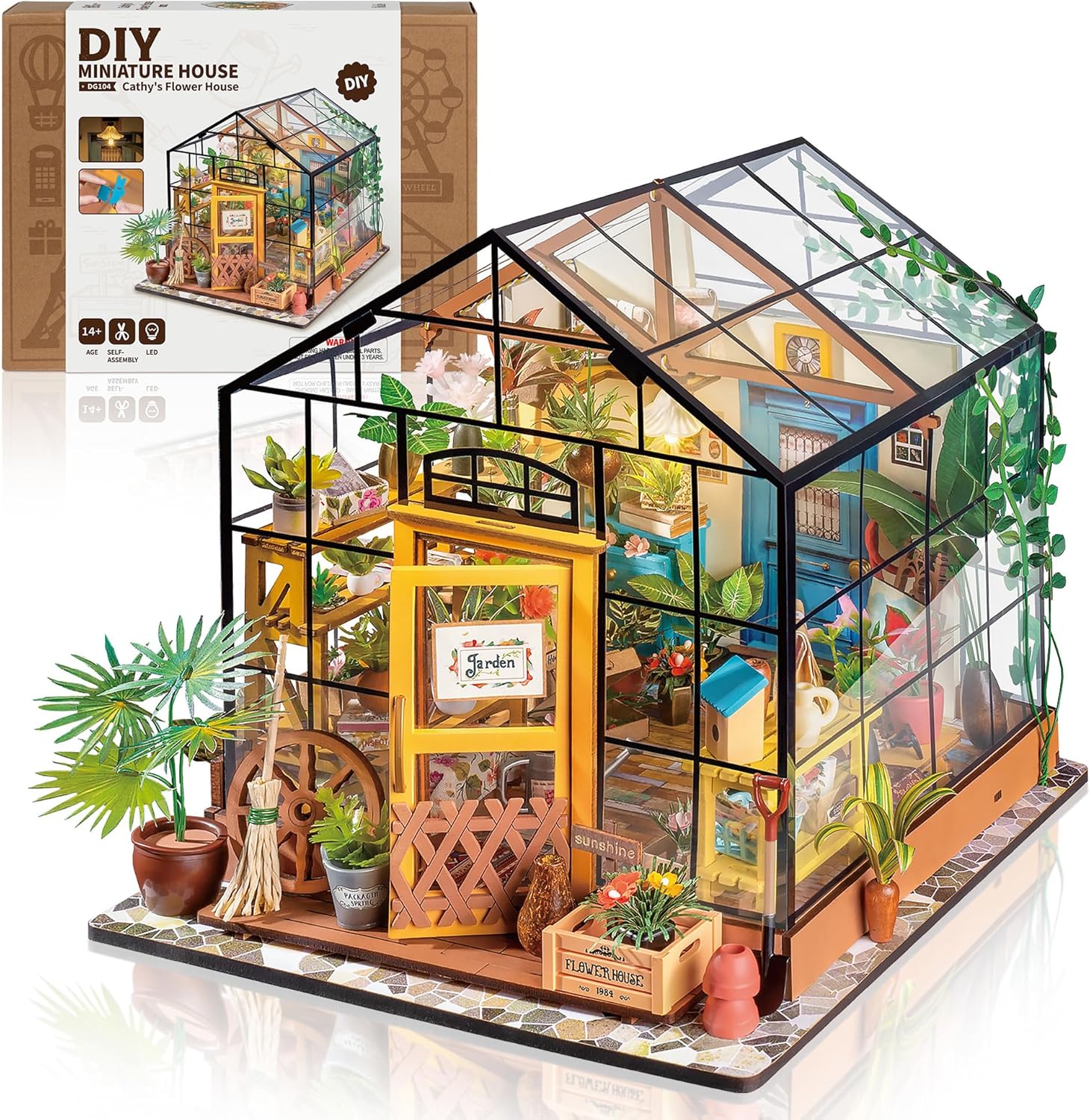
3D wooden models present a steeper initial learning curve but offer more varied challenge types. A beginner might struggle with even a simple miniature greenhouse kit if they're unfamiliar with reading assembly diagrams or working with small wooden pieces. However, once you master the basics of 3D model construction, you can tackle increasingly complex projects that incorporate lighting, mechanical movement, or intricate architectural details.
The satisfaction curves differ significantly too. Jigsaw puzzles provide steady, incremental progress as you complete sections, with major satisfaction spikes when you finish large areas or solve particularly challenging sections. 3D models offer milestone-based satisfaction—completing major subassemblies, seeing the structure take shape, and achieving the final functional result.
Cost Analysis and Value Proposition
When comparing wooden jigsaw puzzles vs 3D wooden models from a value perspective, several factors come into play beyond the initial purchase price. High-quality wooden jigsaw puzzles typically cost $0.05-$0.15 per piece, making a 500-piece puzzle range from $25-$75. Premium puzzles with unique cuts, artistic designs, or special wooden materials can exceed this range.
3D wooden models generally offer more materials and complexity for the price point. A detailed wooden ship model building kit might cost $60-$120 but provide 20-40 hours of engagement plus a permanent display piece. When calculated per hour of entertainment, both categories offer excellent value, but 3D models often edge ahead due to their longer completion times and lasting display value.
Consider these additional value factors:
- Replayability: Jigsaw puzzles can be disassembled and rebuilt multiple times, while 3D models are typically one-time builds
- Storage: Completed jigsaw puzzles require disassembly for storage, while 3D models need display space
- Sharing: Puzzles can be easily shared with friends or family, while 3D models become personal keepsakes
- Skill building: 3D models develop more transferable skills like spatial reasoning and fine motor control
Time Investment and Project Commitment
The time commitment required for wooden jigsaw puzzles vs 3D wooden models varies significantly and should influence your choice based on your lifestyle and preferences. Jigsaw puzzles offer excellent flexibility—you can work on them for 15 minutes during a coffee break or spend an entire weekend pushing toward completion. The modular nature means you can easily pause and resume without losing momentum.
3D wooden models typically require more sustained attention, especially during critical assembly phases. While you can certainly work on them in sessions, some steps benefit from continuous focus to maintain accuracy and avoid mistakes. A complex miniature house kit might require several dedicated weekend sessions to complete properly.
Consider your available time blocks:
- Short sessions (15-30 minutes): Jigsaw puzzles excel here, allowing meaningful progress in brief windows
- Medium sessions (1-3 hours): Both work well, though 3D models benefit from longer uninterrupted periods
- Long sessions (4+ hours): 3D models shine with extended focus time for complex assembly phases
Skill Development and Cognitive Benefits
Both wooden jigsaw puzzles and 3D wooden models offer significant cognitive benefits, but they exercise different mental muscles. Jigsaw puzzles primarily enhance visual-spatial processing, pattern recognition, and working memory. Regular puzzle solving has been linked to improved short-term memory and reduced cognitive decline in older adults.
3D wooden models develop a broader range of skills including spatial reasoning, sequential processing, fine motor control, and problem-solving under constraints. Building a book nook shelf insert requires understanding how lighting systems work, how to create depth in miniature spaces, and how to troubleshoot assembly issues—skills that transfer to real-world applications.
The meditative aspects differ as well. Jigsaw puzzles often induce a flow state through repetitive pattern-matching activities, making them excellent for stress relief and mental decompression. 3D models provide satisfaction through creation and achievement, offering a sense of accomplishment that comes from building something tangible and functional.
Who Should Choose Wooden Jigsaw Puzzles?
Wooden jigsaw puzzles are ideal for individuals who:
- Prefer flexible time commitments: Can work in short bursts without losing progress
- Enjoy meditative activities: Find relaxation in repetitive, pattern-focused tasks
- Have limited workspace: Need projects that can be easily stored between sessions
- Want repeatable challenges: Enjoy the option to rebuild the same puzzle or share with others
- Prefer lower initial investment: Want to try the hobby without significant upfront costs
- Focus on visual-spatial skills: Want to improve pattern recognition and visual processing
Jigsaw puzzles also work exceptionally well for group activities, family bonding, or social puzzle-solving sessions where multiple people can contribute simultaneously.
Who Should Choose 3D Wooden Models?
3D wooden models are perfect for crafters who:
- Want lasting results: Prefer projects that create permanent display pieces
- Enjoy hands-on building: Like working with tools and assembly processes
- Seek skill development: Want to improve fine motor skills and spatial reasoning
- Have dedicated workspace: Can leave projects set up during multi-session builds
- Appreciate functional art: Want pieces that serve as both achievement and decoration
- Like progressive complexity: Enjoy advancing from simple to highly complex projects
3D models particularly appeal to people with engineering mindsets, those who enjoyed building blocks as children, or anyone fascinated by how mechanical systems work.
The Verdict: Which Brain Challenge Wins?
The choice between wooden jigsaw puzzles vs 3D wooden models ultimately depends on your personal preferences, lifestyle, and what you want to achieve from your crafting time. Neither option is inherently superior—they serve different purposes and offer distinct rewards.
Choose wooden jigsaw puzzles if you prioritize flexibility, relaxation, and the ability to engage in short, manageable sessions. They're perfect for stress relief, improving visual processing skills, and enjoying repeatable challenges that can be shared with others.
Choose 3D wooden models if you want to create something permanent, enjoy hands-on building processes, and prefer projects that develop multiple skill sets simultaneously. They offer greater long-term value through display pieces and more comprehensive cognitive challenges.
For many enthusiasts, the ideal approach is incorporating both types of challenges into their crafting repertoire. You might work on a jigsaw puzzle during busy weeks when time is limited, then tackle a complex 3D model project during vacation periods or extended weekends.
Ready to Start Your Next Brain Challenge?
Whether you're drawn to the meditative satisfaction of wooden jigsaw puzzles or the hands-on creativity of 3D wooden models, the key is choosing projects that match your current skill level and available time. Start with simpler options to build confidence and technique, then gradually progress to more challenging builds that will keep you engaged for hours.
Explore our complete collection of wooden puzzles and 3D model kits to find the perfect brain challenge for your next crafting adventure. From beginner-friendly options to expert-level masterpieces, you'll discover projects that provide the perfect balance of challenge, creativity, and satisfaction.
Shop products from this guide
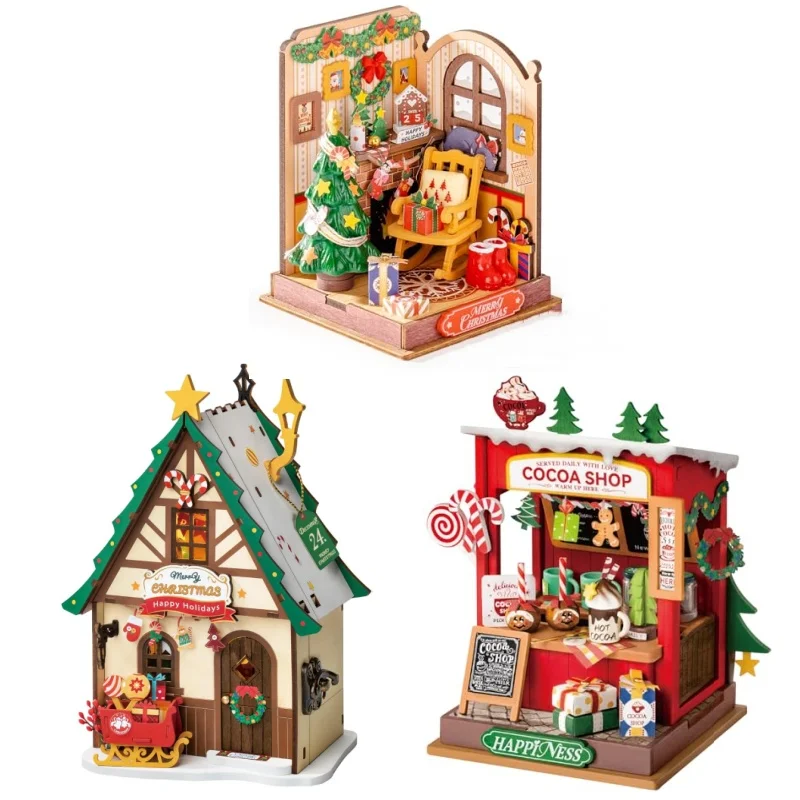
Rolife Cozy Fireplace Mini House Craft Kit

Rolife Wooden Flower Bouquet 3D Puzzle Kit
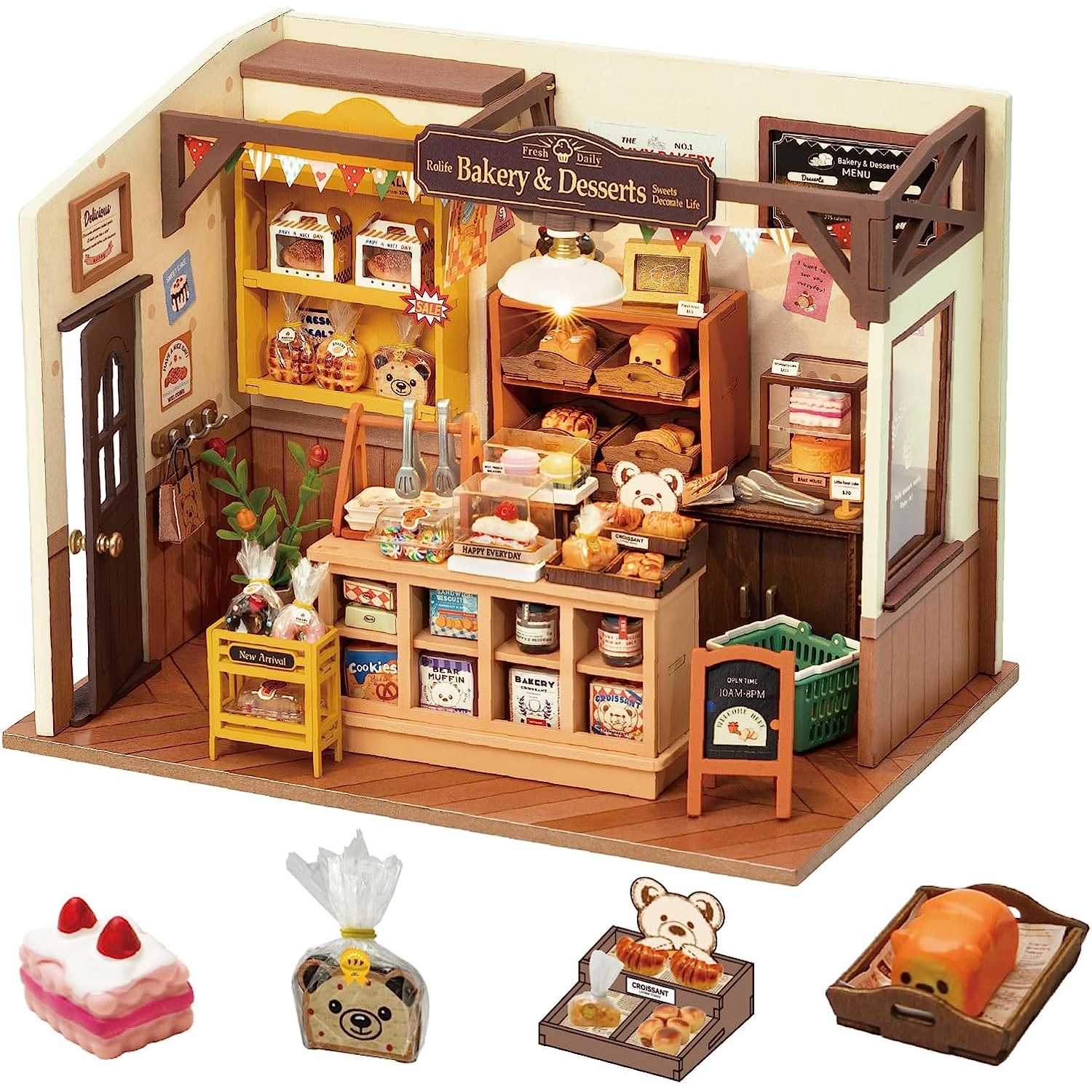
Beccas Bakery DIY Model Kit - 150+ Pieces with LED Lights
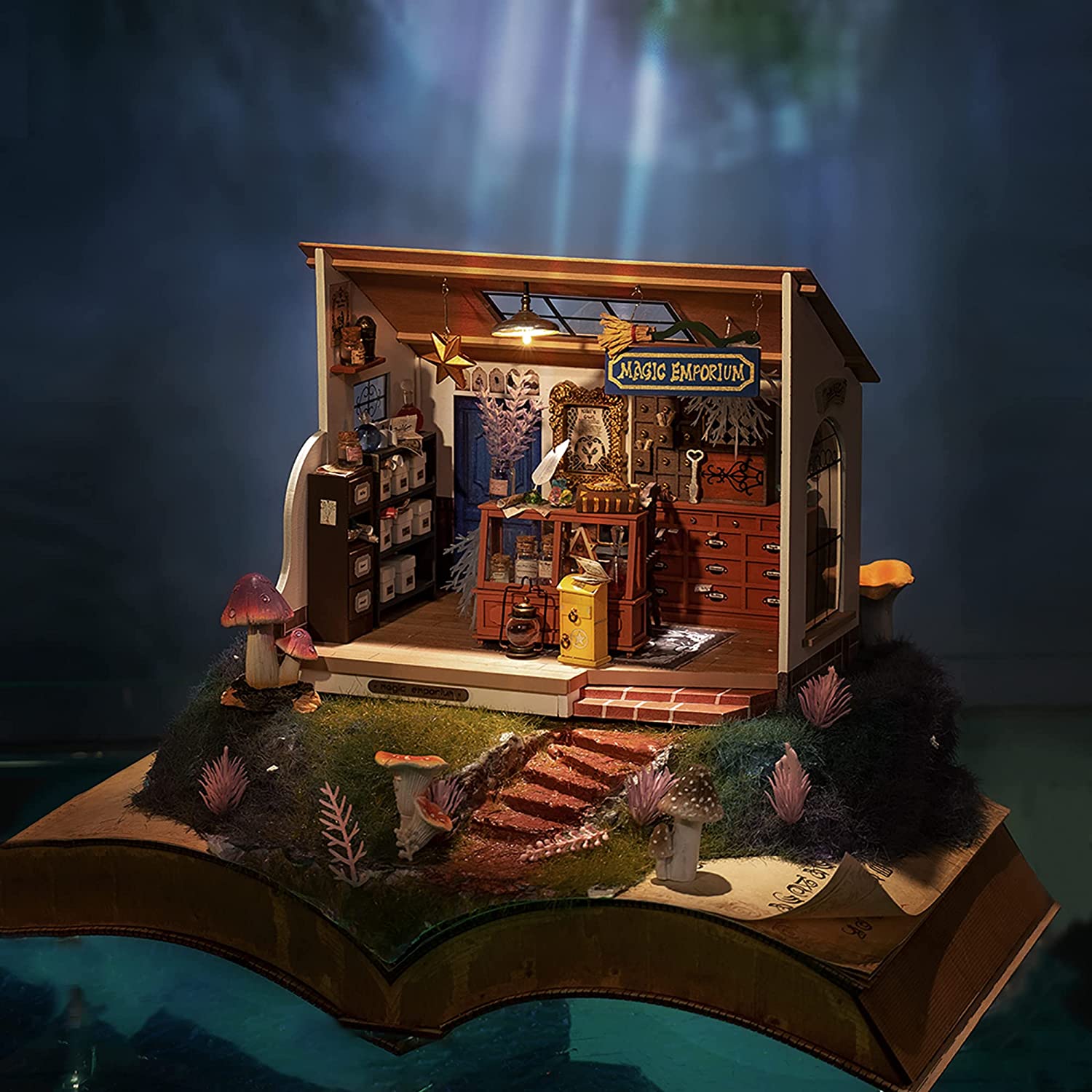
Kiki's Magic Shop DIY Kit - LED Miniature Building Set
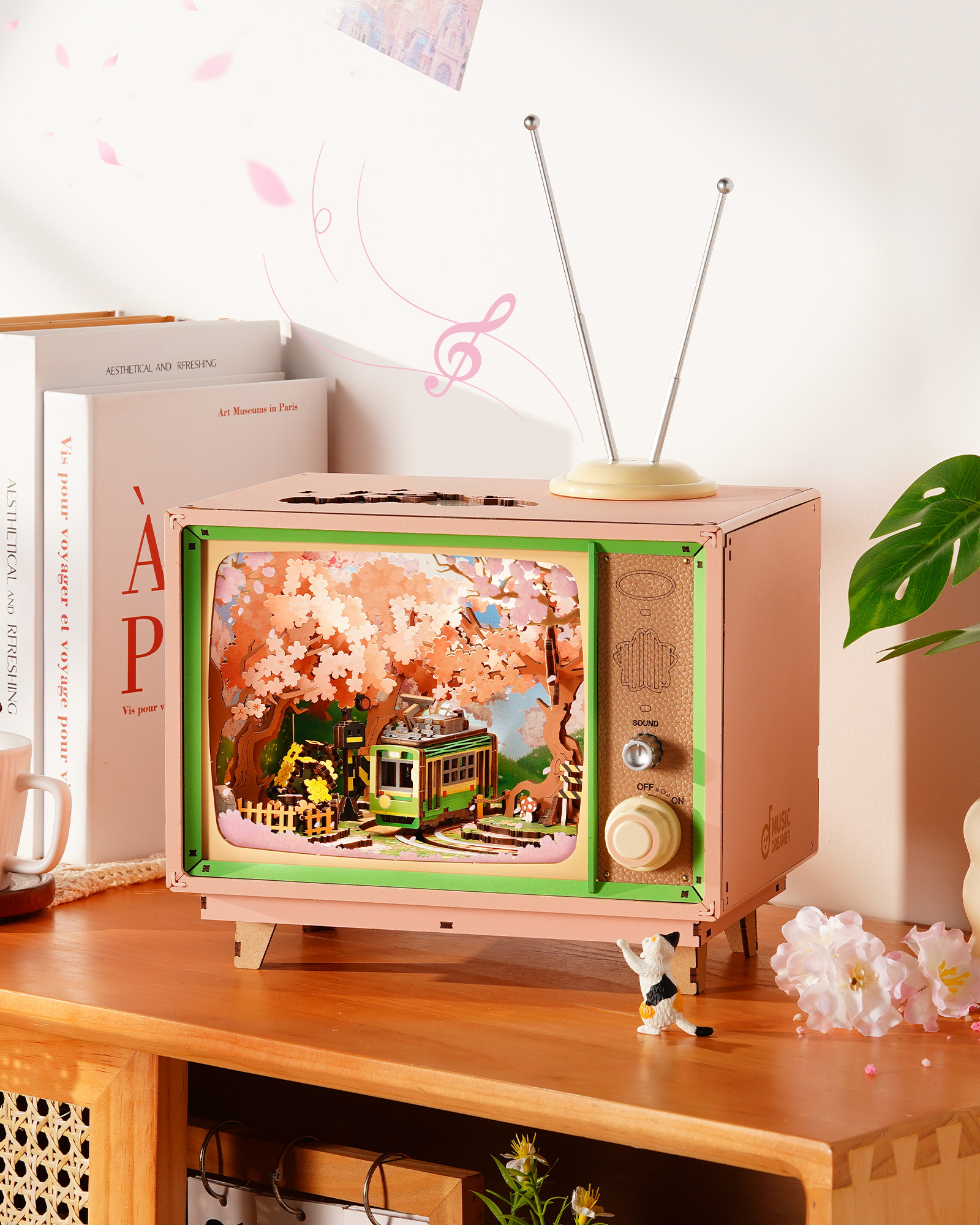
Cherry Blossom Tram DIY Model Kit - 200+ Pieces w/ LEDs