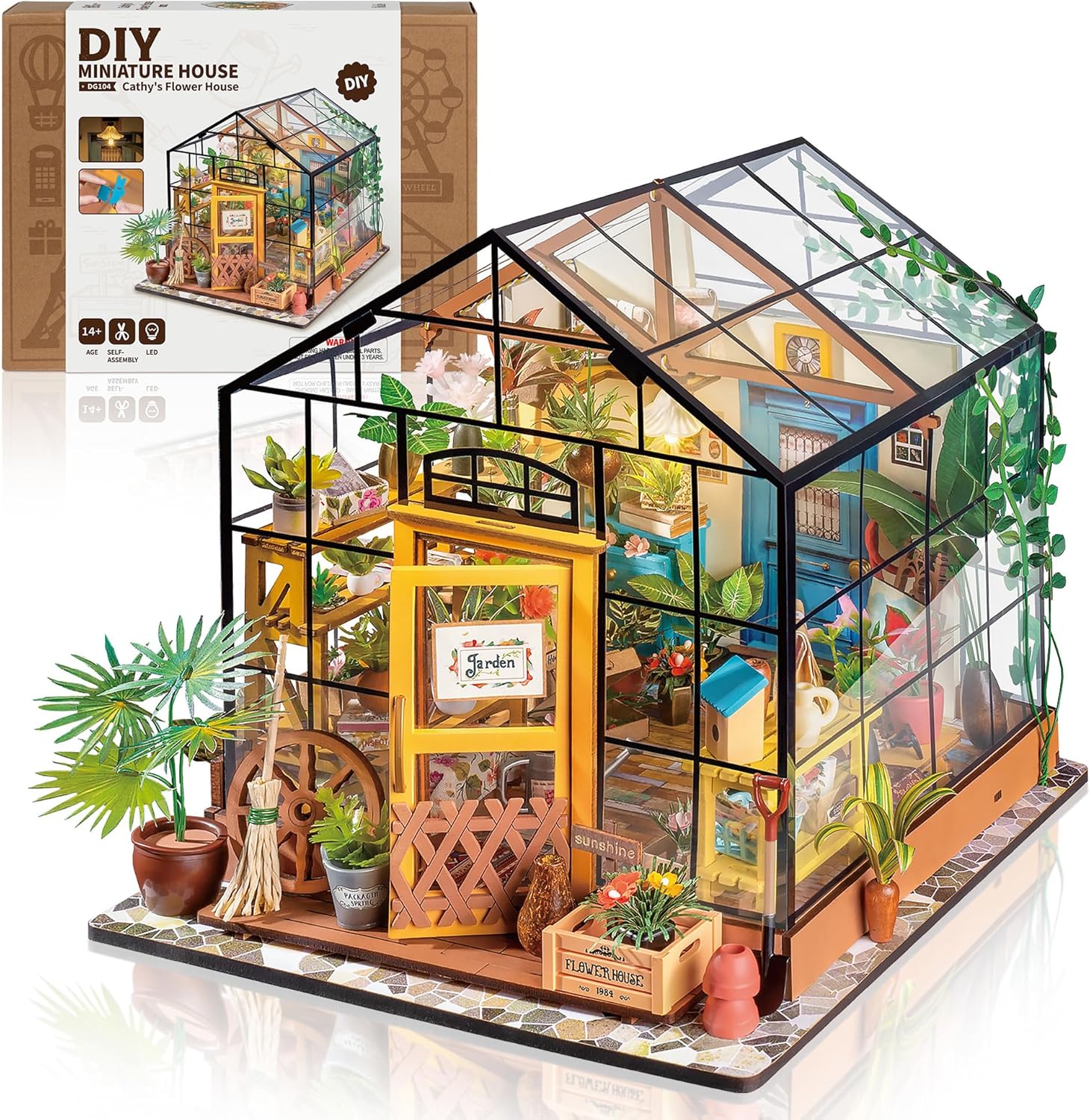
Scale Model Painting Techniques: Pro Tips for Realistic Finishes
Creating museum-quality scale models requires more than just assembly skills—it's the painting and finishing that transforms a basic kit into a masterpiece that captures every authentic detail.
Professional scale model painting techniques involve a systematic approach combining proper preparation, strategic color layering, realistic weathering effects, and precise detailing methods. The key lies in understanding how light interacts with different surfaces and materials, then replicating those effects through careful paint application, texture creation, and strategic highlighting that brings your model to life with convincing realism.
Key Takeaways:
- Proper primer application creates the foundation for professional results
- Layered base coats and strategic highlighting add depth and dimension
- Weathering techniques like dry brushing and washes create authentic aging effects
- Detail painting with fine brushes brings small elements to life
- Protective clear coats preserve your work while adding appropriate sheen levels
What Are the Essential Scale Model Painting Techniques Every Modeler Should Master?
The foundation of professional model painting rests on five core techniques that work together to create convincing realism. These methods apply whether you're working on a detailed ship model or an intricate architectural piece.
Base coating establishes your model's primary colors and provides uniform coverage. This technique requires thin, even layers applied with consistent brush strokes or airbrush passes. Multiple thin coats always produce better results than single thick applications, which can obscure fine details and create an artificial appearance.
Layering and highlighting adds three-dimensional depth to flat surfaces. This involves applying progressively lighter shades to raised areas and edges where natural light would hit, while keeping recessed areas darker. The gradual transition between these tones creates the illusion of form and texture.
Weathering and aging transforms pristine models into believable representations of real objects. Techniques like dry brushing, washing, and selective paint chipping simulate the natural wear patterns that occur over time, making your model appear authentic rather than toy-like.
How to Prepare Your Model for Professional Paint Application
Surface preparation determines whether your paint job looks amateur or professional. Even the most expensive paints will fail to deliver quality results on poorly prepared surfaces.
Begin by thoroughly cleaning your model pieces with degreasing agents to remove mold release compounds, fingerprint oils, and manufacturing residues. These invisible contaminants prevent proper paint adhesion and can cause finish failures weeks after completion.
Sanding and smoothing eliminates imperfections that become magnified under paint. Use progressively finer grits, starting with 400-grit for major flaws and finishing with 1000-grit for final smoothing. Pay special attention to seam lines and injection points that can distract from your model's realism.
Primer application creates the crucial bond between your model's surface and the color coats. Choose primers specifically formulated for your model's material—plastic, resin, or metal each requires different formulations. Apply primer in thin, even coats, allowing complete curing between applications.
Advanced Color Mixing and Paint Selection Strategies
Professional results demand understanding how different paint types behave and interact. Your paint selection directly impacts both the application process and final appearance.
Acrylic paints offer the best balance of ease, safety, and results for most modelers. They clean up with water, dry quickly, and produce excellent coverage when properly thinned. High-quality acrylics like Vallejo Model Color or Tamiya provide consistent pigmentation and smooth flow characteristics.
Enamel paints excel for certain applications, particularly when you need extended working time for blending or when durability is paramount. However, they require proper ventilation and solvent-based thinners, making them less beginner-friendly.
Color theory plays a crucial role in realistic painting. Real-world objects rarely appear as single, uniform colors. Instead, they display subtle variations influenced by lighting conditions, material properties, and environmental factors. Study reference photos carefully, noting how shadows aren't simply darker versions of base colors but often shift toward complementary hues.
Creating custom color mixes allows you to match specific references exactly. Start with your closest commercial color, then adjust with small amounts of other hues. Keep detailed notes of your mixing ratios—you'll often need to recreate successful combinations for touch-ups or additional models.
Professional Weathering Methods for Authentic Aging Effects
Weathering transforms clean, new-looking models into convincing representations of real objects that have experienced natural aging and use. These scale model painting techniques require restraint and observation—overdone weathering looks artificial and distracting.
Dry brushing highlights raised details and creates worn metal effects. Load a stiff brush with paint, then remove most of it on paper towels until only traces remain. Lightly drag the brush across raised surfaces, depositing paint only on high points. This technique works exceptionally well on metal model vehicles to simulate worn paint and polished metal.
Wash techniques use heavily thinned paint to flow into recessed areas, creating shadow effects and grime accumulation. Mix your wash with appropriate thinners—water for acrylics, mineral spirits for oils. Apply liberally, then clean excess from raised areas while the wash remains wet.
Chipping and paint wear simulation requires careful observation of real wear patterns. Paint doesn't wear randomly—it comes off first at high-contact areas like door handles, steps, and edges. Use a fine brush or sponge to dab darker colors (representing primer or metal) in these logical locations.
Detail Painting Techniques for Small-Scale Precision Work
Fine details separate good models from exceptional ones. These elements often measure mere millimeters but contribute significantly to overall realism and visual impact.
Invest in quality fine brushes—sizes 000, 00, and 0 handle most detail work. Natural sable holds the finest points and maintains paint flow better than synthetic alternatives. Proper brush care extends their life significantly: clean immediately after use and reshape points while damp.
Steady hand techniques improve precision dramatically. Brace your painting hand against your supporting hand or the work surface. Use your whole arm for longer strokes rather than just wrist movement. Take breaks when fatigue affects control—tired hands produce shaky results.
For extremely fine work like instrument faces or figure details, consider using magnification. A simple desk magnifier or optivisor reveals details invisible to the naked eye and allows precise paint placement. This proves especially valuable when working on intricate pieces like architectural model kits with numerous small elements.
Paint consistency for detail work differs from base coating. Thin paint flows better from fine brushes but may require multiple coats for opacity. Experiment with paint-to-thinner ratios to find the optimal balance for your specific application.
Finishing and Protection: Clear Coats and Final Touches
Protective finishing preserves your detailed work while adding the appropriate surface sheen for realism. Different materials exhibit varying reflectivity levels—understanding these differences enhances authenticity.
Sheen selection should match your subject matter. Military vehicles typically display matte or satin finishes, while civilian cars often show higher gloss levels. Architectural elements vary widely—weathered wood appears flat, while glazed ceramics show high gloss.
Apply clear coats in multiple thin layers rather than single thick applications. This prevents runs, maintains detail sharpness, and provides more durable protection. Allow complete curing between coats—rushing this step can cause cloudiness or poor adhesion.
Final detailing adds the subtle touches that elevate your model above the ordinary. This includes adding realistic dust accumulation, subtle color variations, and environmental staining that occurs naturally over time.
Common Mistakes to Avoid in Scale Model Painting
Even experienced modelers can fall into habits that compromise their results. Recognizing these pitfalls helps you avoid frustrating setbacks and achieve consistent quality.
Paint thickness ranks as the most common error. Thick paint obscures fine details and creates an artificial appearance. Always thin your paints appropriately—better to apply additional coats than lose detail definition.
Inadequate drying time between coats causes adhesion problems and finish defects. Environmental conditions affect drying times significantly—high humidity and low temperatures extend curing periods substantially.
Poor brush maintenance leads to streaky finishes and shortened brush life. Clean brushes immediately after use, reshape points while damp, and store properly to maintain performance.
Tools and Equipment for Professional Results
Quality tools make professional techniques achievable for modelers at every skill level. While expensive equipment isn't mandatory, certain items significantly improve results and efficiency.
Airbrush systems provide superior coverage and finish quality for base coats and large areas. Entry-level dual-action airbrushes offer excellent value and capability for most modeling applications. Proper maintenance keeps these tools performing reliably for years.
Brush selection should include various sizes and types. Flat brushes excel for broad coverage, while rounds handle detail work and blending. Specialty brushes like fan brushes create unique texturing effects impossible with standard shapes.
Lighting quality affects both color perception and detail visibility during painting. Daylight-balanced LED lamps provide consistent illumination that reveals true colors and fine details. Adjustable positioning allows optimal lighting angles for different work phases.
Practice Projects and Skill Development
Developing professional-level scale model painting techniques requires consistent practice and gradual skill building. Starting with simpler projects builds confidence and technique before tackling complex subjects.
Consider beginning with mechanical music box kits that combine interesting shapes with forgiving materials. These projects allow experimentation with different techniques without the pressure of expensive or irreplaceable subjects.
Progressive complexity helps build skills systematically. Start with single-color subjects, then advance to multi-colored schemes, weathering effects, and finally complex detail work. Each project should introduce one or two new techniques while reinforcing previously learned skills.
Document your work with photos throughout the process. This creates a valuable reference for future projects and helps identify areas for improvement. Comparing early work with recent projects reveals progress that might not be apparent day-to-day.
Ready to Transform Your Scale Models?
Mastering these professional scale model painting techniques takes time and practice, but the results speak for themselves. Every expert modeler started with basic skills and gradually developed their expertise through consistent application and experimentation.
Whether you're working on detailed book nook dioramas or intricate architectural pieces, these techniques will elevate your finished models from simple assembled kits to impressive display pieces that showcase your growing skills and attention to detail.
Start your next modeling project with confidence. Browse our complete selection of premium model kits and craft supplies to find the perfect subject for practicing these professional painting techniques. From beginner-friendly options to challenging advanced projects, we have everything you need to create stunning, realistic scale models that you'll be proud to display.
Shop products from this guide
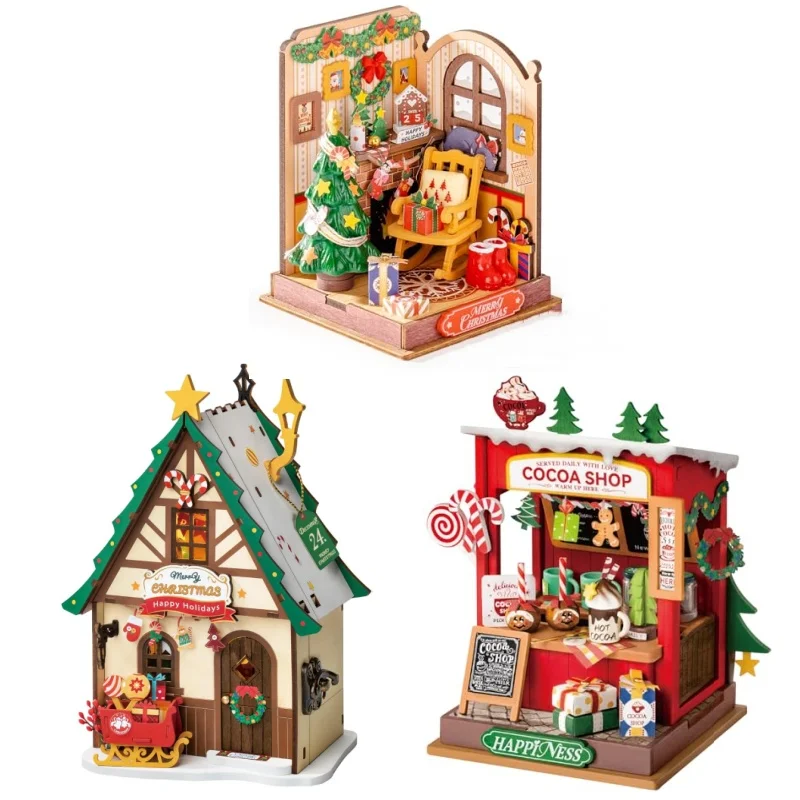
Rolife Cozy Fireplace Mini House Craft Kit

Rolife Wooden Flower Bouquet 3D Puzzle Kit
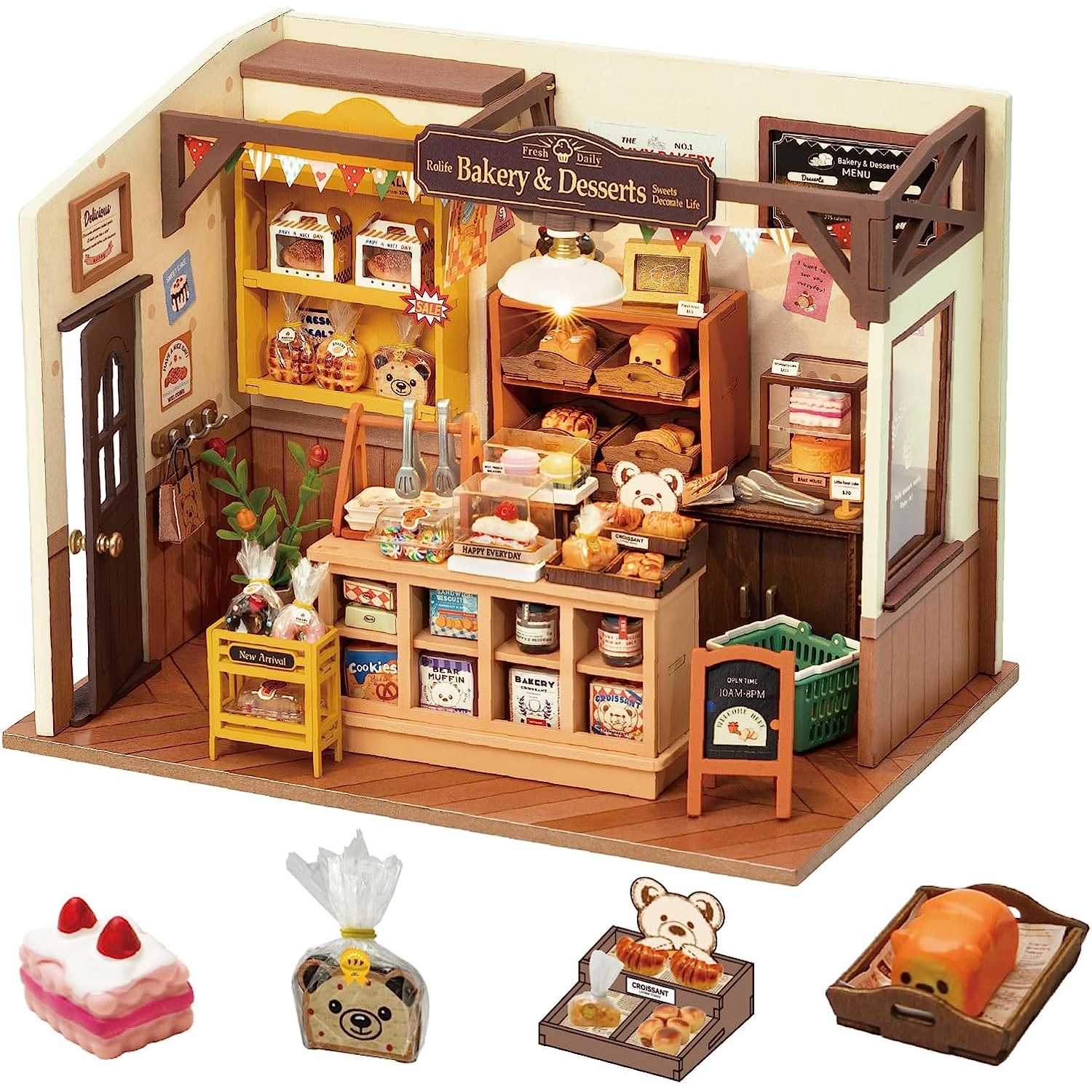
Beccas Bakery DIY Model Kit - 150+ Pieces with LED Lights
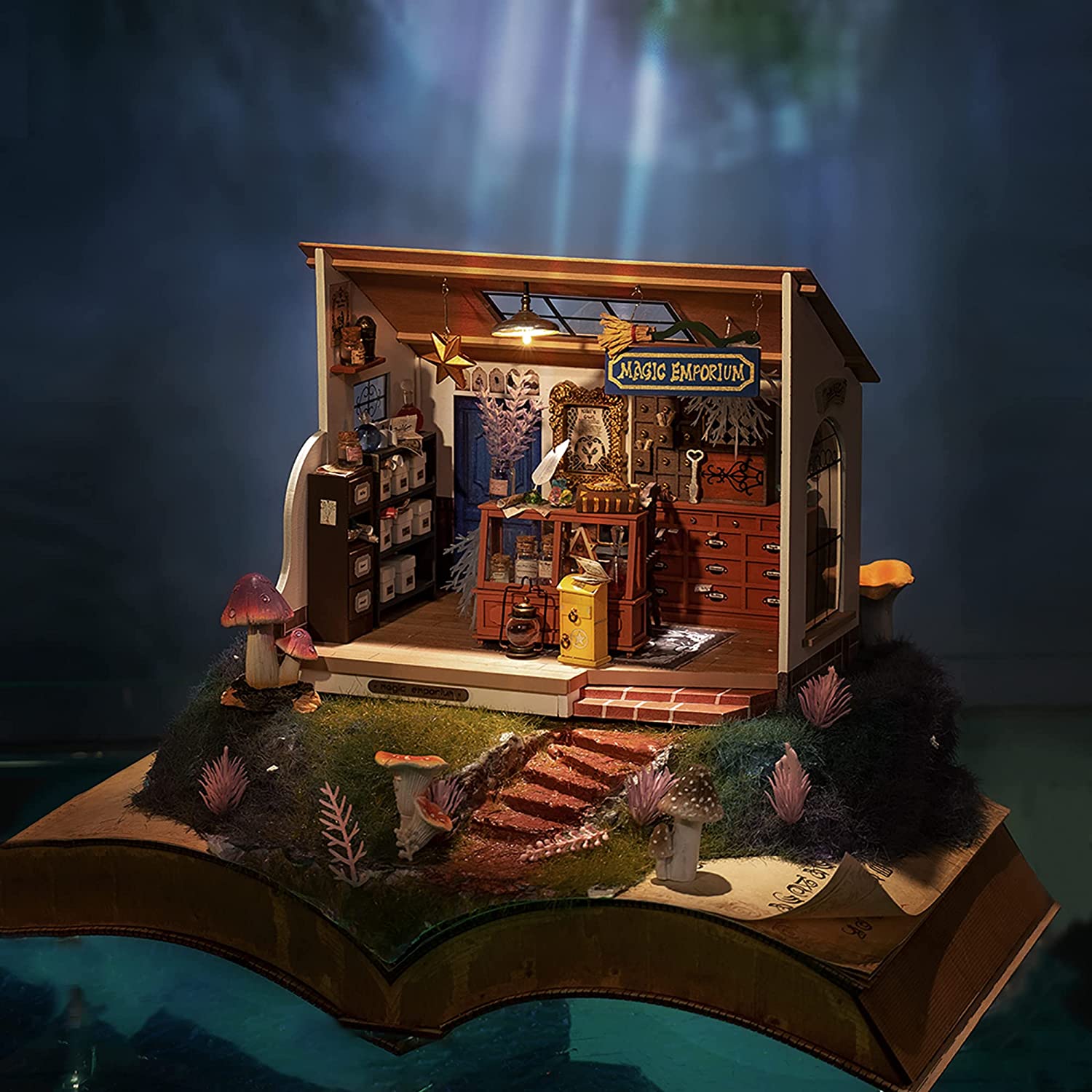
Kiki's Magic Shop DIY Kit - LED Miniature Building Set

Cherry Blossom Tram DIY Model Kit - 200+ Pieces w/ LEDs