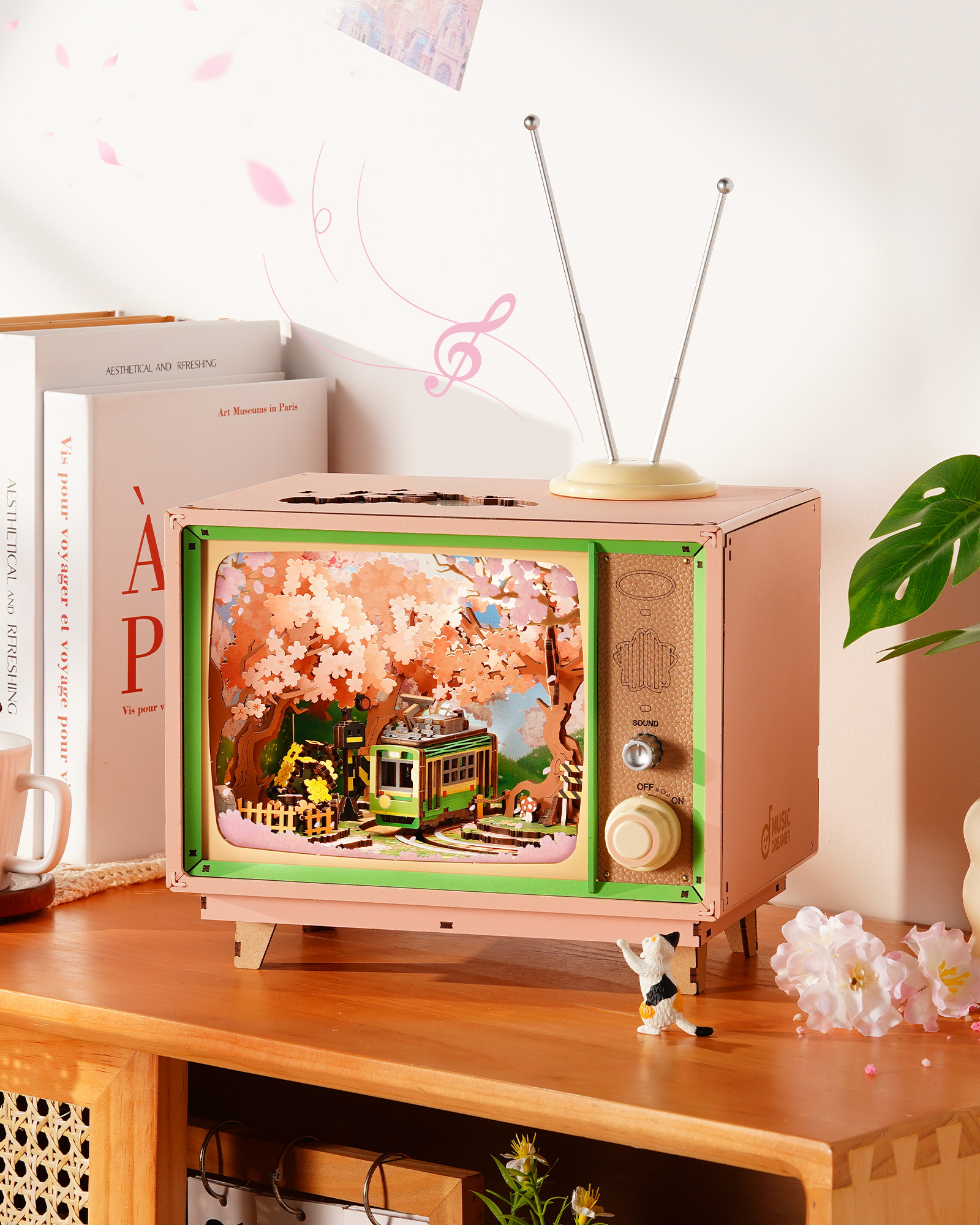
How to Start Model Building: A Complete Beginner's Guide
Model building is one of the most rewarding and meditative hobbies you can pursue, offering a perfect blend of creativity, precision, and patience. Whether you're drawn to intricate architectural replicas, mechanical marvels, or charming miniature scenes, learning how to start model building opens up a world of possibilities for artistic expression and skill development.
The beauty of model building lies in its accessibility—you don't need years of training or expensive equipment to begin. With the right guidance, tools, and projects, anyone can master this craft and experience the satisfaction of creating something beautiful with their own hands.
Essential Tools for Beginning Model Builders
Before diving into your first project, assembling the right toolkit is crucial for success. Unlike many hobbies that require significant upfront investment, model building can be started with just a few essential items that will serve you well across multiple projects.
Cutting and Shaping Tools
A sharp craft knife with replaceable blades is your most important tool. Look for one with a comfortable grip and precise control—you'll be using it extensively for cutting parts from sprues, trimming excess material, and creating clean edges. Complement this with a cutting mat to protect your work surface and maintain blade sharpness.
Small scissors designed for model work are invaluable for cutting decals, thin materials, and detail work. Invest in a pair with fine points for precision cutting around intricate shapes.
Assembly and Finishing Tools
Needle-nose pliers help with handling small parts and bending wire components. A set of small files allows you to smooth rough edges and perfect the fit of components. Tweezers with fine tips make positioning tiny parts much easier and reduce the risk of losing small pieces.
For adhesive work, you'll need both plastic cement (for plastic models) and super glue (for mixed materials). Each serves different purposes and creates different bond strengths, so having both ensures you're prepared for any project.
Beginner-Friendly Model Building Projects
Choosing the right first project can make or break your model building journey. The key is selecting something challenging enough to be engaging but not so complex that it becomes frustrating.
Architectural Models
Architectural models offer an excellent starting point because they typically involve straightforward assembly techniques and forgiving materials. A miniature house kit provides the perfect introduction to basic construction principles while creating something genuinely impressive for display.
These projects teach fundamental skills like reading instructions, understanding part relationships, and developing patience for detailed work. The satisfaction of creating a complete building from individual components is particularly rewarding for newcomers.
Mechanical Music Boxes
For those interested in functional models, a wooden mechanical music box kit combines the visual appeal of traditional model building with the added excitement of creating something that actually works. These projects introduce basic mechanical principles while maintaining the meditative aspects of careful assembly.
The wooden components are forgiving to work with, and the end result provides both visual and auditory satisfaction that makes the building process feel especially worthwhile.
Model Building Techniques for Newcomers
Mastering basic techniques early in your model building journey will pay dividends across all future projects. These foundational skills separate satisfying builds from frustrating experiences.
Reading and Understanding Instructions
Modern model kits come with detailed instruction manuals that use standardized symbols and step-by-step diagrams. Take time to familiarize yourself with these conventions before beginning assembly. Many beginners rush through instructions, leading to mistakes that could have been easily avoided.
Study each step completely before proceeding. Identify all required parts and tools for each stage, and don't hesitate to re-read sections if anything seems unclear. The extra time spent understanding instructions is always recovered through smoother assembly.
Dry Fitting and Test Assembly
Before applying any permanent adhesive, always test-fit components together. This practice reveals potential issues with alignment, identifies parts that need trimming, and helps you understand how the final assembly will look and feel.
Dry fitting is especially important when working with complex joints or when multiple components must align perfectly. It's much easier to make adjustments before glue sets than to repair mistakes later.
Surface Preparation and Finishing
Clean, properly prepared surfaces create stronger bonds and better-looking results. Remove any flash (excess material) from molded parts using your craft knife or files. Sand rough areas smooth, and ensure all surfaces are clean and free from oils or dust before assembly.
For painted finishes, light sanding creates better paint adhesion. Even if you're not planning to paint your model, proper surface preparation improves the overall appearance and professional quality of your finished piece.
Choosing Your First Model Building Kit
The model you choose for your introduction to this hobby significantly impacts your experience and likelihood of continuing. Consider several factors when making this important decision.
Complexity and Skill Level
Most quality kits clearly indicate their difficulty level, typically ranging from beginner to expert. Start with explicitly beginner-rated projects, even if they seem simple. These kits are designed to teach fundamental techniques while building confidence.
A book nook shelf insert kit represents an ideal complexity level for newcomers—sophisticated enough to be engaging, but with clear instructions and manageable component counts.
Material Considerations
Different materials offer varying levels of difficulty and require different techniques. Wood is generally forgiving and pleasant to work with, making it excellent for beginners. Plastic offers precision and detail but requires specific adhesives and techniques. Metal components provide durability and impressive finished appearance but can be more challenging to work with.
Consider starting with mixed-material kits that introduce you to different substances gradually, rather than jumping into complex single-material builds.
Time Investment and Project Scope
Realistic expectations about time investment prevent frustration and abandonment of projects. Most beginner kits require 5-15 hours of work spread across several sessions. More complex projects like detailed ship models can require 50+ hours of careful work.
Choose a project that matches your available time and attention span. It's better to complete a simpler project successfully than to abandon a complex one halfway through.
Common Beginner Mistakes to Avoid
Learning from others' experiences can save you time, materials, and frustration. These common pitfalls catch many newcomers but are easily avoided with awareness.
Rushing the Process
Model building rewards patience and careful attention to detail. Rushing through steps, skipping dry-fitting, or applying adhesive too quickly leads to misaligned parts, visible glue marks, and overall poor results.
Embrace the meditative aspects of model building. The process itself is as rewarding as the finished product, so allow yourself to enjoy each step rather than focusing solely on completion.
Using Too Much Adhesive
Excess glue creates messy joints, damages surface details, and can prevent proper part alignment. Apply adhesive sparingly—you can always add more if needed, but removing excess is difficult or impossible.
Practice adhesive application on scrap pieces before working on your actual model. Different adhesives have different working times and flow characteristics that affect application technique.
Ignoring Safety Precautions
Sharp tools, chemical adhesives, and fine particles require basic safety measures. Always cut away from your body, work in well-ventilated areas when using solvents, and wear safety glasses when cutting or sanding.
Keep your workspace organized and clean. A cluttered work area increases the risk of accidents and makes it easy to lose small parts.
Building Your Model Making Skills
As you complete your first few projects, you'll naturally want to tackle more challenging builds and develop advanced techniques. This progression is part of the hobby's appeal—there's always something new to learn.
Expanding Your Toolkit
While basic tools get you started, specialized equipment opens up new possibilities. Consider adding a small drill with various bit sizes for creating clean holes, a hot knife for sealing cut edges on fabric or rope, and specialized brushes for applying finishes.
Quality measuring tools become more important as projects increase in complexity. A steel ruler, calipers, and a small square help ensure accurate measurements and proper alignment.
Learning Advanced Techniques
Once comfortable with basic assembly, explore weathering techniques that add realistic wear and age to your models. Simple methods like dry brushing and wash applications can dramatically improve the realism of finished pieces.
Custom modification and detailing allow you to personalize projects and develop your own style. Start with simple additions like extra details or color variations before attempting major structural modifications.
Ready to Begin Your Model Building Journey?
Now that you understand how to start model building and have the knowledge to choose appropriate projects and tools, it's time to take the first step. Remember that every expert model builder started exactly where you are now—with curiosity, basic tools, and their first kit.
The key to success lies in choosing the right first project, taking your time, and enjoying the process of creation. Whether you're drawn to architectural models, mechanical puzzles, or decorative pieces, there's a perfect starting project waiting for you.
Ready to start your model building adventure? Browse our carefully curated collection of beginner-friendly model kits and discover the perfect project to launch your new hobby. Each kit includes detailed instructions, quality components, and the satisfaction of creating something beautiful with your own hands.
Shop products from this guide
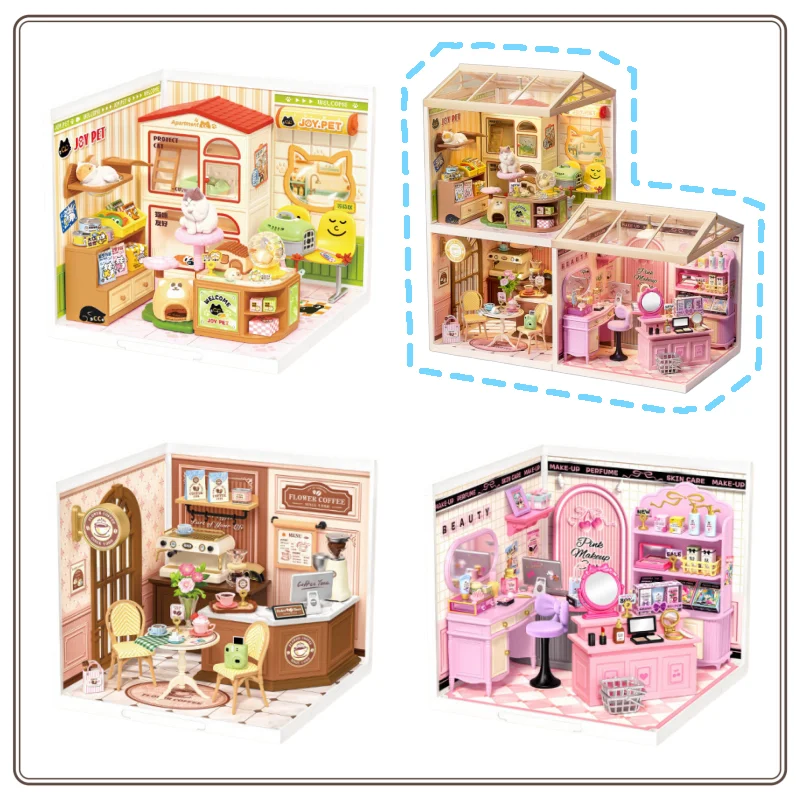
Rolife Super World Shopping Diary — DIY Mini Storefront Kit
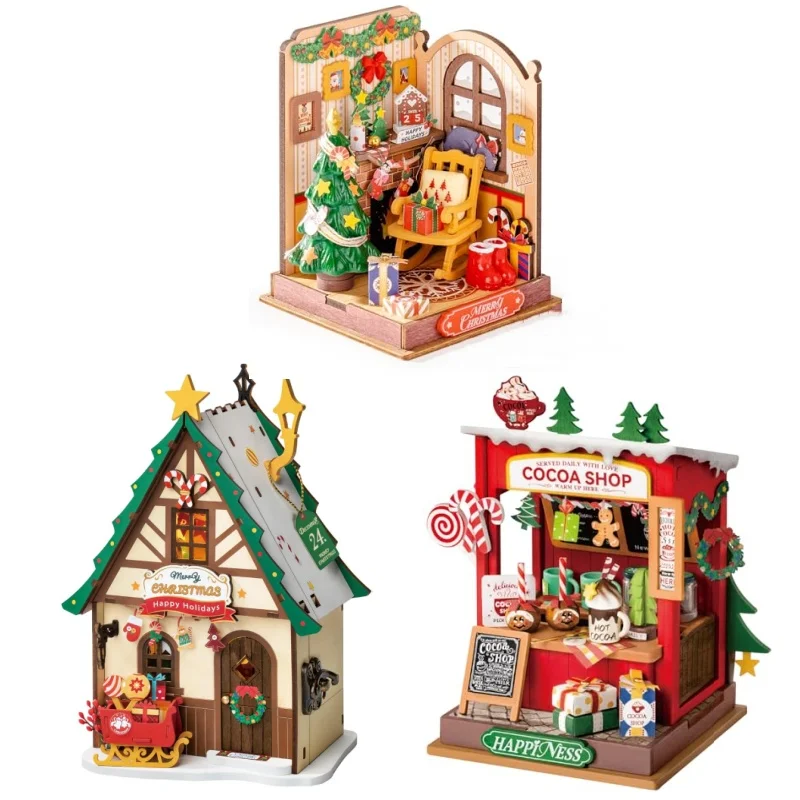
Rolife Cozy Fireplace Mini House Craft Kit

Rolife Wooden Flower Bouquet 3D Puzzle Kit
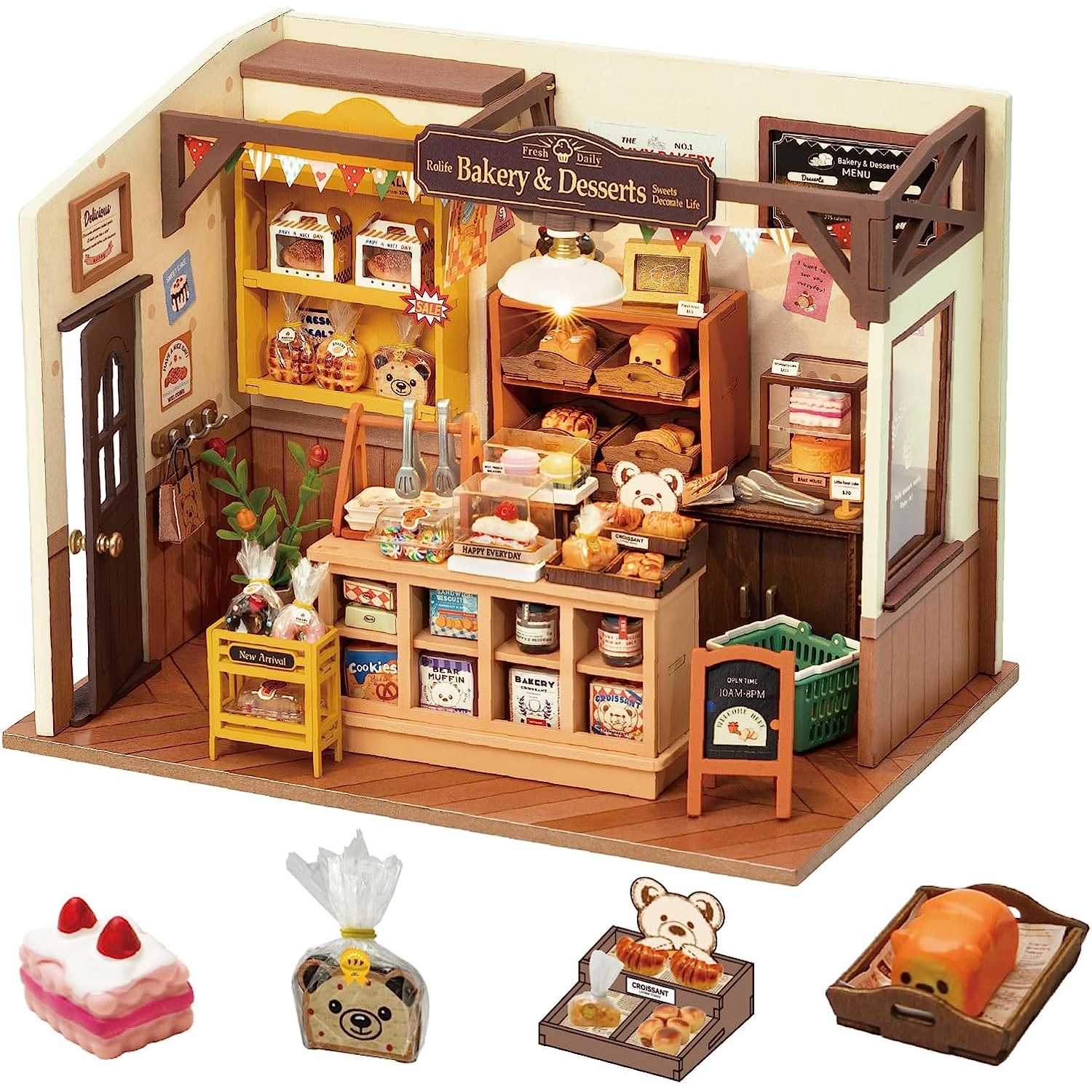
Beccas Bakery DIY Model Kit - 150+ Pieces with LED Lights
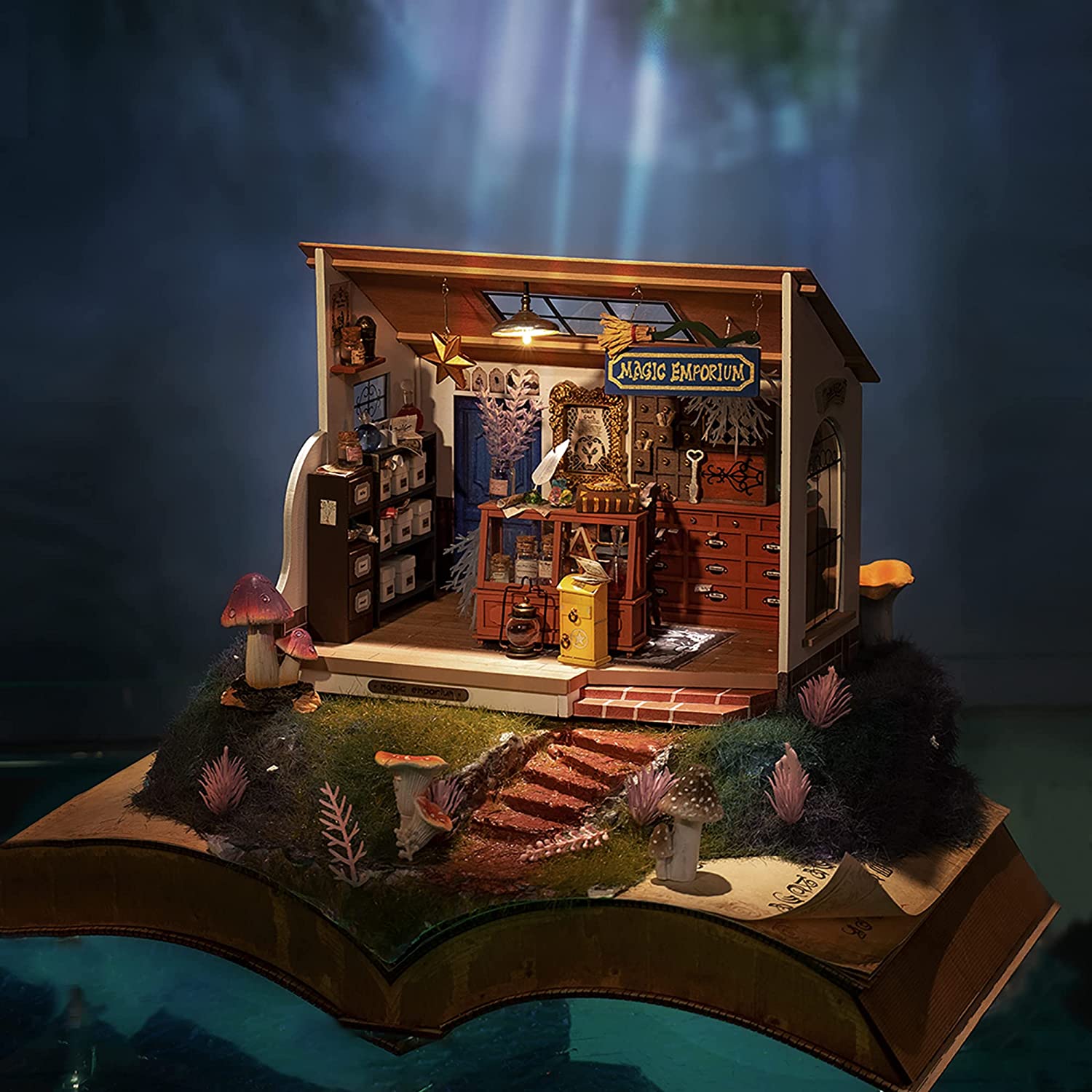
Kiki's Magic Shop DIY Kit - LED Miniature Building Set