DIY Craft Room Organization Ideas: Storage Solutions for Model Builders
Creating an organized craft room is the difference between enjoying your hobby and feeling overwhelmed by clutter. Whether you're building intricate miniature houses or assembling complex mechanical models, a well-organized workspace enhances creativity, saves time, and protects your valuable supplies from damage.
Key Takeaways:
- Vertical storage solutions maximize space in small craft rooms
- Clear containers and labeling systems prevent lost parts and supplies
- Dedicated work zones for different project types improve efficiency
- Proper lighting and ventilation are essential for detailed model work
- Regular decluttering maintains an organized, functional workspace
Effective craft room organization ideas center on three core principles: accessibility, visibility, and protection. Your most-used tools should be within arm's reach, supplies should be clearly visible and labeled, and delicate materials need proper storage to prevent damage. This systematic approach transforms chaotic craft spaces into productive creative sanctuaries.
What Are the Essential Storage Solutions for Craft Room Organization?
The foundation of any organized craft room lies in choosing the right storage solutions for your specific needs. Model builders face unique challenges, from tiny screws and delicate parts to bulky unfinished projects requiring safe storage between work sessions.
Clear Storage Containers are indispensable for craft room organization. Transparent bins allow you to quickly identify contents without opening every container. Use small compartmented boxes for tiny model parts, medium containers for work-in-progress projects like wooden mechanical music box kits, and larger bins for bulk supplies and completed models awaiting display.
Stackable drawer units provide excellent organization for frequently accessed items. Label each drawer clearly and organize contents by project type or material. The top drawers should house your most-used tools and supplies, while lower drawers can store seasonal or specialty items.
Wall-mounted storage systems maximize vertical space without cluttering work surfaces. Pegboards with hooks accommodate hanging tools, while mounted shelves display completed projects and store reference materials. Consider magnetic strips for metal tools and small parts containers.
How to Design Efficient Workspace Zones in Your Craft Room
Creating designated zones for different activities streamlines your workflow and maintains organization naturally. Each zone should have specific storage solutions and tools relevant to its purpose.
Establish a Primary Assembly Zone with your main work table, good lighting, and easy access to basic tools. This area should accommodate projects like detailed miniature house builds that require extended focus and precision work. Keep cutting mats, rulers, and adhesives within immediate reach.
Create a Painting and Finishing Station with proper ventilation, protective surfaces, and organized paint storage. Use a lazy Susan or tiered organizer for paint bottles, ensuring labels face forward for easy identification. This zone works perfectly for finishing touches on projects like architectural models or vintage car replicas.
Design a Planning and Reference Area with good lighting for reading instructions, sketching modifications, and organizing project documentation. Include storage for manuals, inspiration photos, and project notes. This quiet zone helps you prepare before diving into hands-on work.
Smart Storage Systems for Small Parts and Model Components
Model building generates countless small parts that can easily become lost or damaged without proper storage systems. Implementing smart organization strategies prevents frustration and project delays.
Tackle screw and fastener organization with compartmented storage boxes featuring adjustable dividers. Label each section clearly and consider color-coding by size or material type. Magnetic parts trays prevent small metal components from rolling away during active projects.
For ongoing projects, use project-specific storage boxes that travel with your work. When building complex kits like metal 3D puzzle vintage cars, dedicate one container to hold all components, instructions, and tools needed for that specific build. This prevents mixing parts between projects and allows easy cleanup at the end of each session.
Implement a parts inventory system for frequently used components. Small drawer organizers work excellently for screws, washers, and other hardware sorted by size and type. Consider photographing the contents of each drawer and taping the photo to the front for quick visual reference.
Protecting Delicate Materials
Delicate components require special storage consideration to prevent damage. Use foam-lined containers for fragile parts, and store paper elements in flat files or document protectors. Keep adhesives and paints in temperature-controlled areas to maintain their effectiveness.
Maximizing Vertical Space in Your Craft Room Layout
Most craft rooms suffer from limited floor space, making vertical storage solutions essential for maintaining organization without sacrificing workspace functionality.
Install floor-to-ceiling shelving units along walls, using the lower shelves for heavy items and frequently accessed supplies. Upper shelves work perfectly for displaying completed models, storing reference books, and housing seasonal decorations or specialty tools used less frequently.
Wall-mounted cabinets provide concealed storage for supplies you prefer to keep out of sight while maintaining easy access. Choose cabinets with clear or glass doors when possible to maintain visibility of contents.
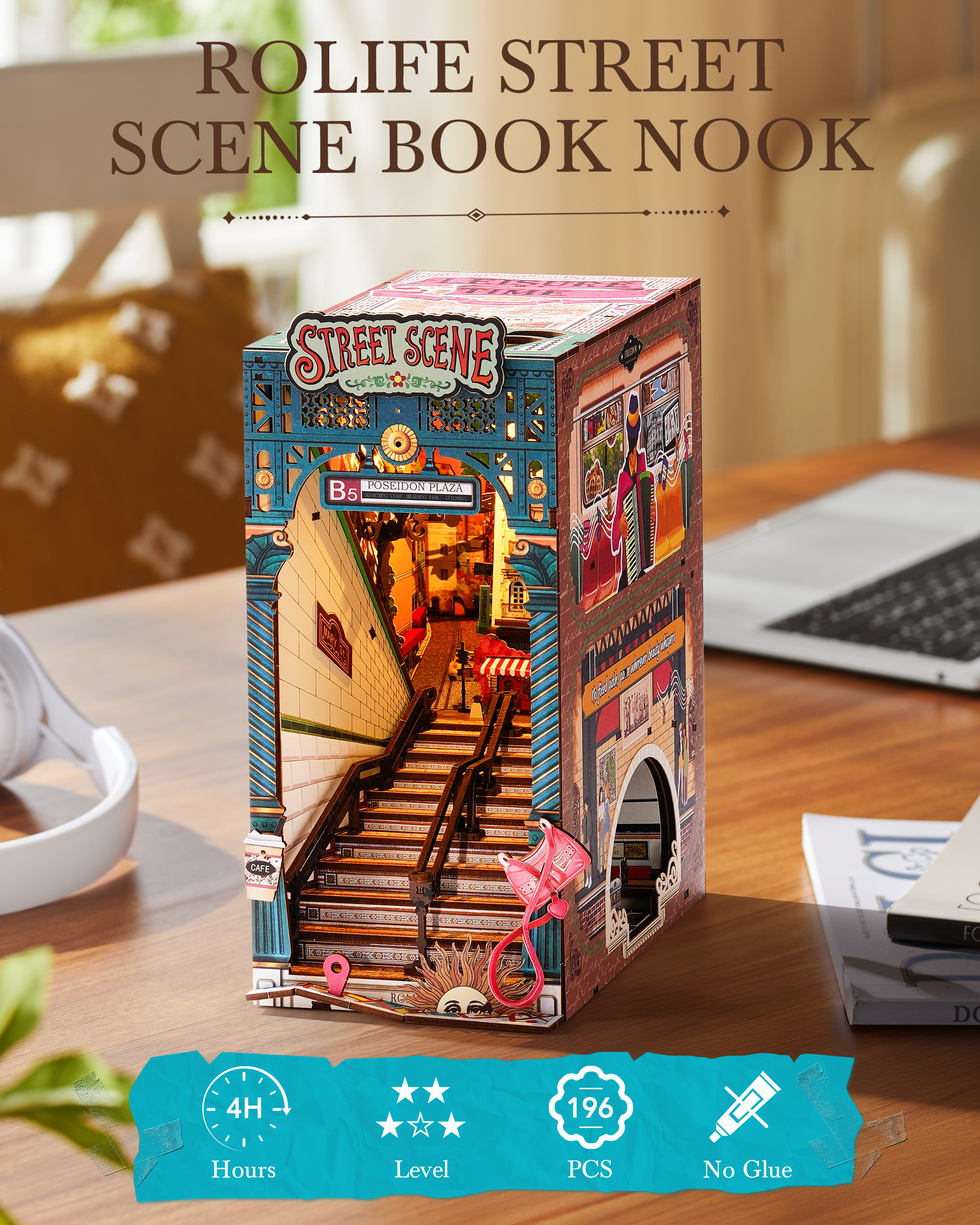
Utilize the space above doorways and windows for additional storage. These often-overlooked areas work well for storing completed projects like DIY book nook shelf inserts or seasonal craft supplies that don't require frequent access.
Consider ceiling-mounted storage for lightweight, bulky items like foam core sheets, poster boards, or large reference materials. Pulley systems can make these high-storage areas more accessible when needed.
Creative Vertical Solutions
Think beyond traditional shelving for vertical storage opportunities. Over-the-door organizers work excellently for small tools and supplies. Tension rods between shelves create hanging storage for lightweight items. Even the sides of furniture can accommodate slim storage solutions for flat materials.
Lighting and Workspace Optimization for Model Building
Proper lighting dramatically impacts both the quality of your work and your enjoyment of the hobby. Poor lighting causes eye strain, makes detail work difficult, and can lead to mistakes that require time-consuming corrections.
Implement layered lighting with ambient room lighting, task lighting for detailed work, and accent lighting to showcase completed projects. LED strip lights under shelves eliminate shadows in storage areas and make finding supplies easier.
Position your primary work surface near a window when possible to take advantage of natural light during daytime sessions. However, ensure you have adequate artificial lighting for evening work and overcast days.
Adjustable task lamps with magnifying features prove invaluable for intricate work on projects like detailed architecture model kits. Choose lamps with daylight-balanced bulbs to ensure accurate color representation when painting or selecting materials.
Ergonomic Workspace Design
Organize your workspace to minimize repetitive strain and maintain comfort during extended crafting sessions. Ensure your chair height positions your arms parallel to the work surface, and keep frequently used tools within a comfortable reach radius. Consider a footrest if your chair needs to be higher than comfortable for proper arm positioning.
Maintenance Strategies for Long-Term Organization Success
Creating an organized craft room is only the first step; maintaining that organization requires ongoing attention and smart habits that become second nature over time.
Implement the "one project out, one project away" rule to prevent accumulation of multiple unfinished projects cluttering your workspace. Complete or properly store one project before beginning another, especially with space-intensive builds.
Schedule regular decluttering sessions to remove broken tools, dried-out supplies, and completed projects you no longer wish to display. These sessions prevent gradual accumulation of unnecessary items that compromise your organization system.
Establish end-of-session cleanup routines that return tools to designated locations and properly store work-in-progress projects. This five-minute investment at the end of each crafting session maintains organization effortlessly and ensures you start each new session with a clean, organized workspace.
Keep an ongoing shopping list for supplies that are running low, preventing last-minute shopping trips that disrupt project momentum. Review this list regularly to take advantage of sales and bulk purchasing opportunities.
Ready to transform your craft room into an organized, efficient workspace? Explore our extensive collection of DIY craft and model building kits that deserve a proper, organized home. From intricate miniature builds to mechanical puzzles, find your next project and give it the organized workspace it deserves. Start building your dream craft room today – your creativity will thank you for the investment in proper organization and storage solutions.
Shop products from this guide
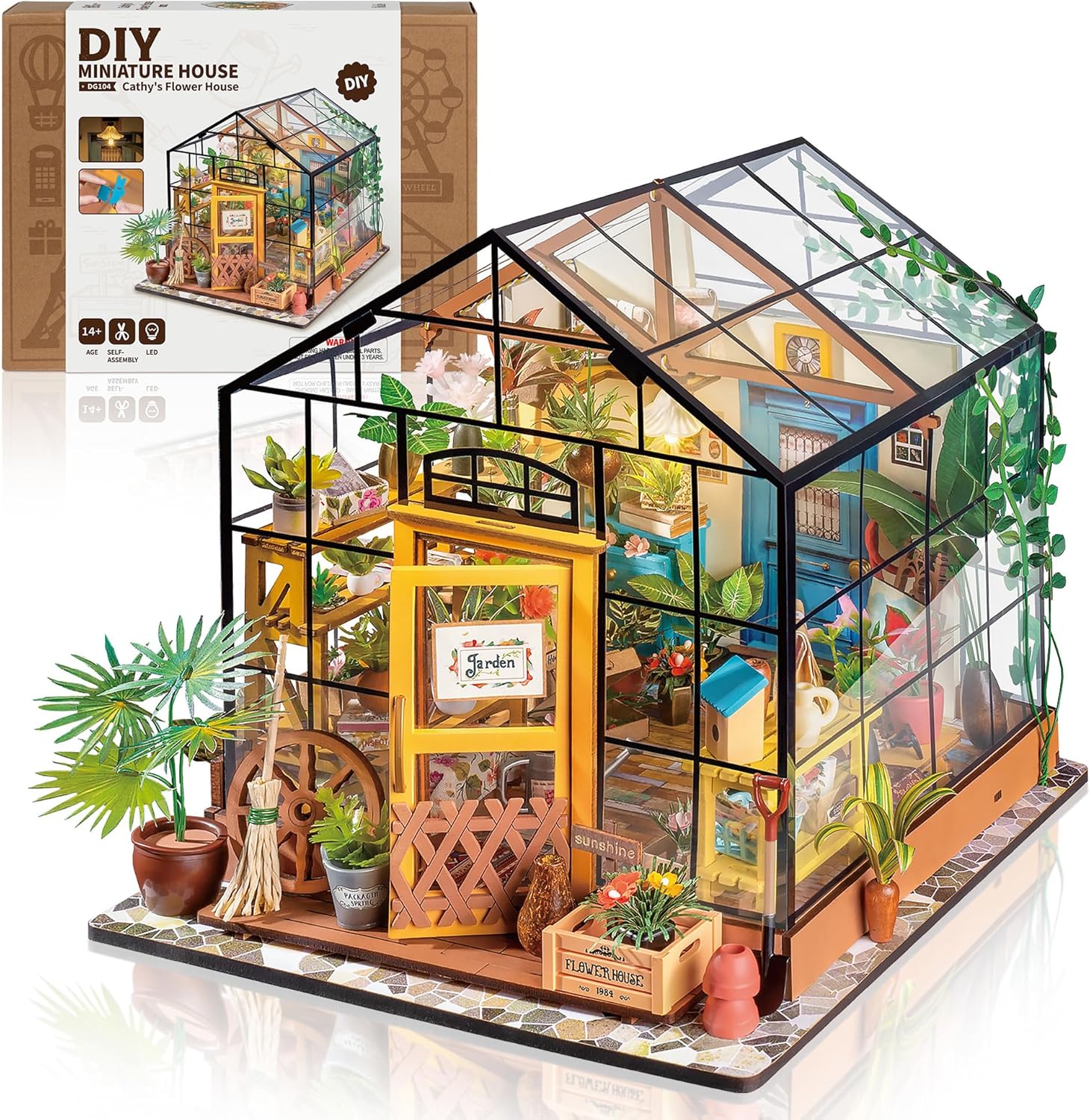
Cathys Flower House DIY Kit - Miniature Greenhouse Craft
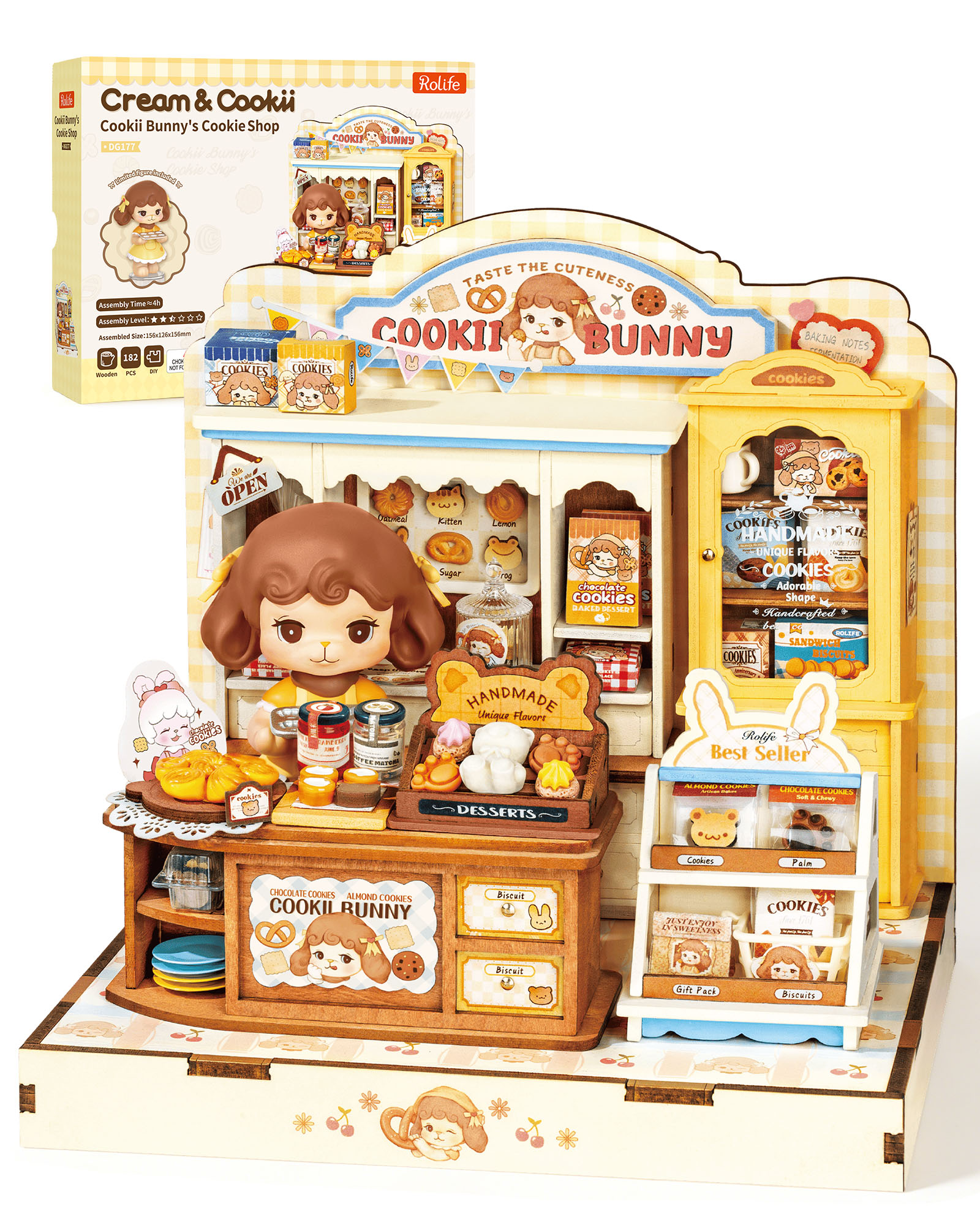
Rolife Cookii Rabbits Biscuit Shop DIY House Kit - 182pcs
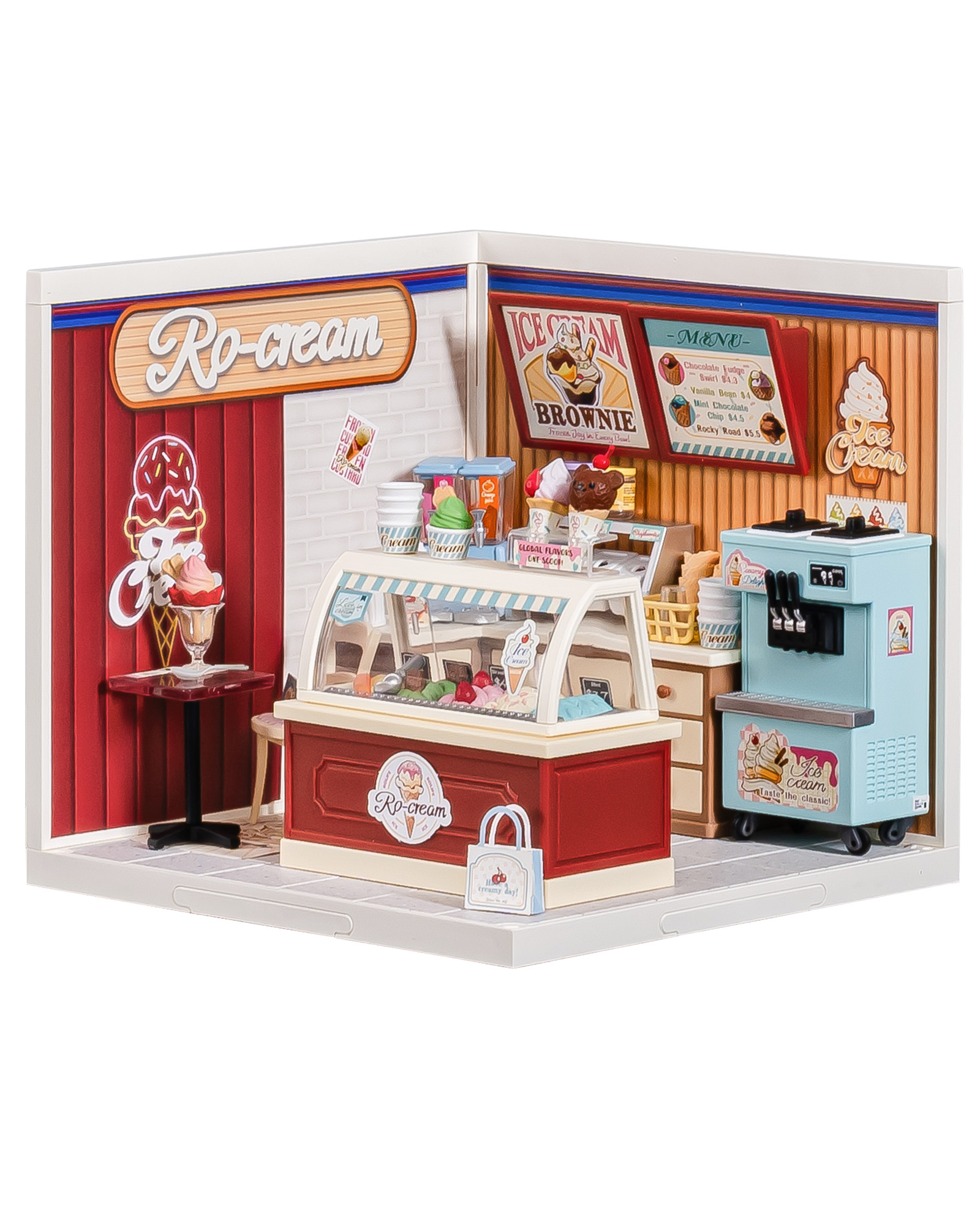
Rolife DIY Mini House Kit with LED Lights - No Glue Needed
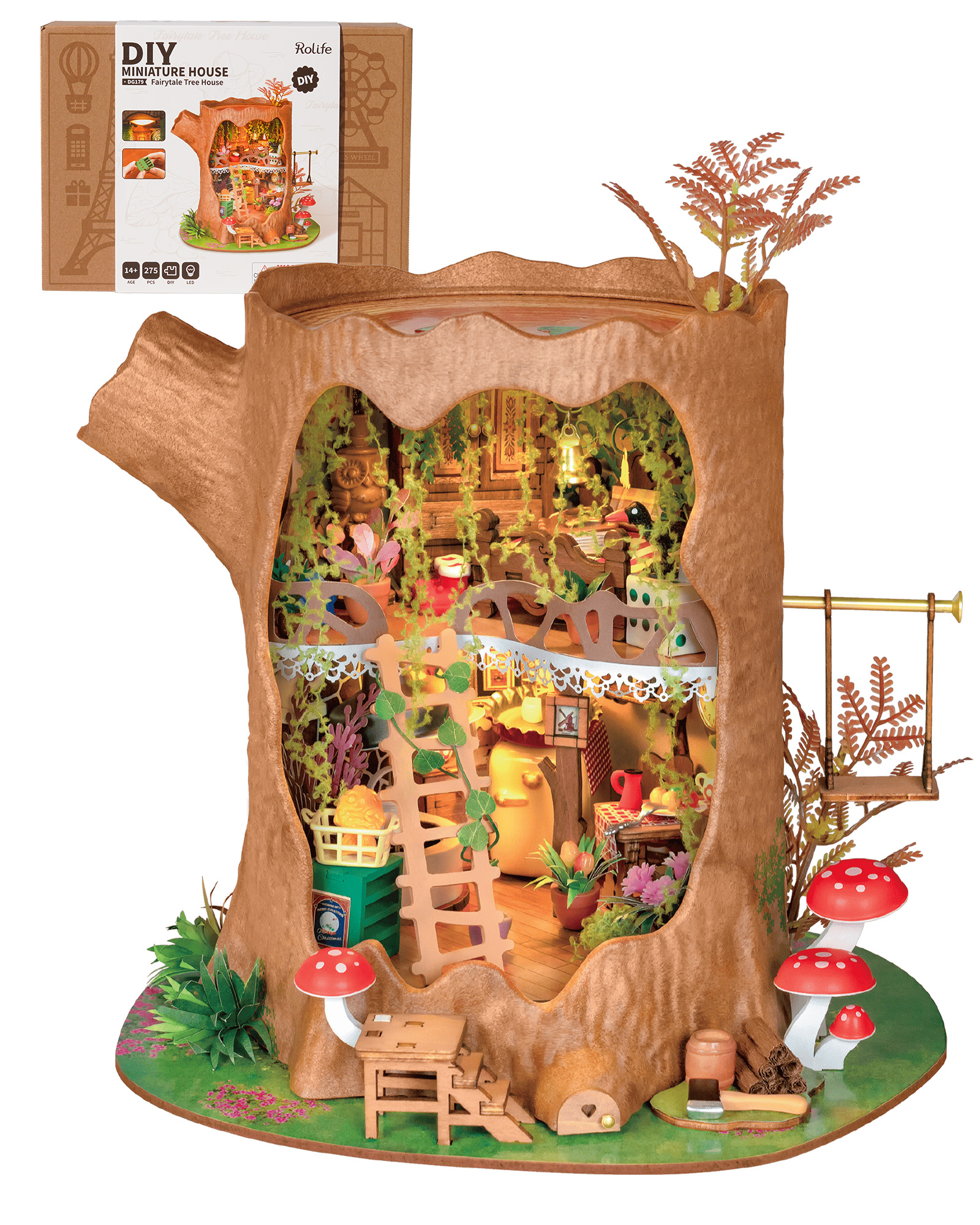
3D Wooden Fairy Tale Treehouse Puzzle Kit with LED Lights
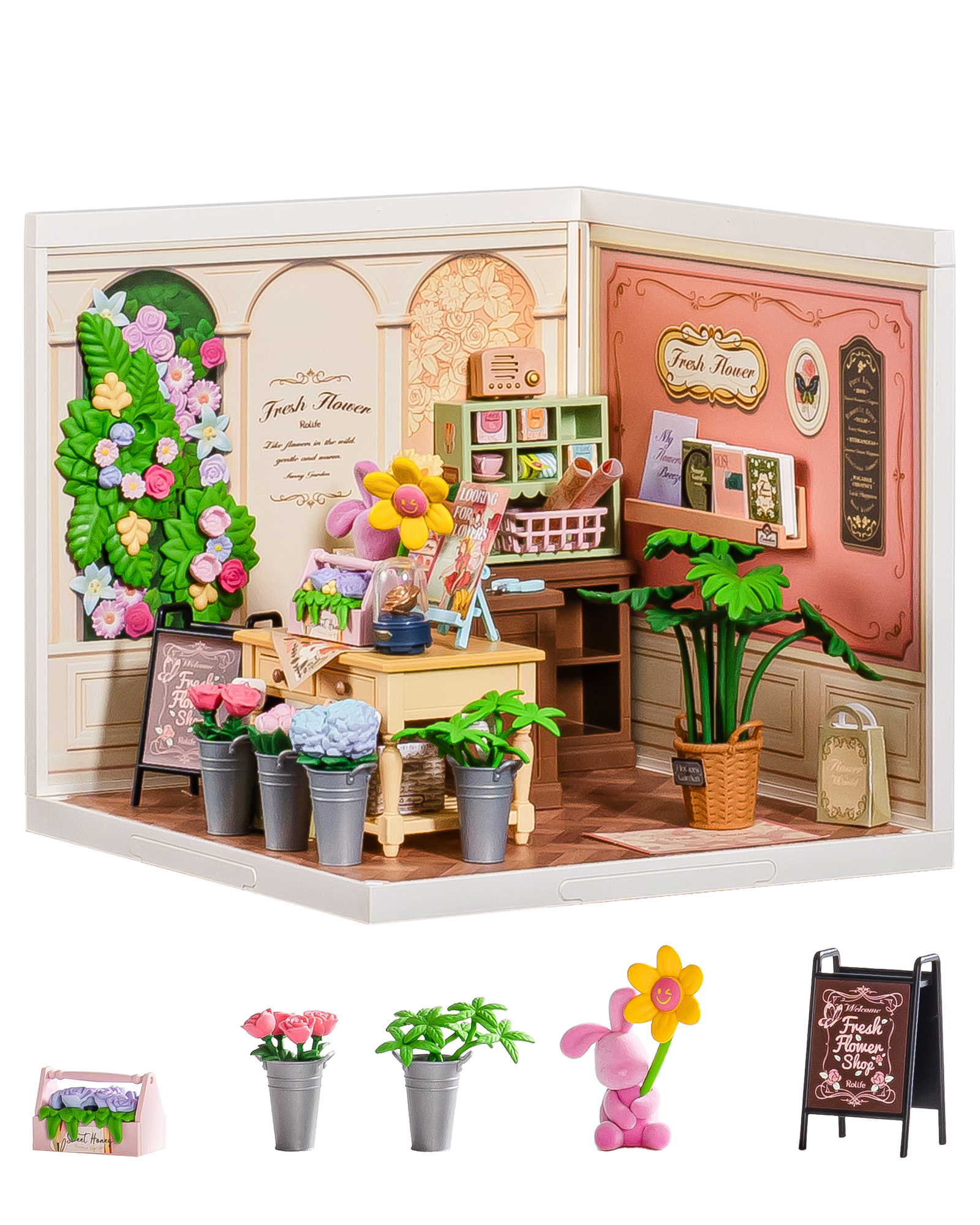
Rolife Miniature House DIY Kit with LED Lights & Display