Best Puzzle Model Kits 2026: 3D Wooden vs Mechanical Models
The world of puzzle model kits has exploded in popularity, offering crafters an engaging blend of problem-solving, creativity, and hands-on building. Whether you're drawn to intricate wooden miniatures or fascinating mechanical contraptions, finding the best puzzle model kits requires understanding the key differences between various types and what makes each category special.
The best puzzle model kits in 2026 fall into two main categories: 3D wooden puzzles that focus on detailed assembly and display, and mechanical models that incorporate moving parts and functional elements. Wooden kits excel in precision crafting and aesthetic appeal, while mechanical models offer interactive experiences with gears, springs, and kinetic elements. Both types provide 10-50+ hours of engaging building time, making them excellent value for hobbyists seeking immersive projects.
Key Takeaways:
- 3D wooden puzzles offer superior detail and display value for collectors
- Mechanical models provide interactive functionality with moving parts
- Difficulty levels range from beginner (2-4 hours) to expert (50+ hours)
- Quality laser-cut pieces and clear instructions are essential for success
- Price ranges from $15-200+ depending on complexity and brand reputation
What Makes the Best Puzzle Model Kits Stand Out in 2026?
The puzzle model kit market has matured significantly, with manufacturers focusing on precision engineering, sustainable materials, and innovative designs. The best kits share several crucial characteristics that separate them from mediocre alternatives.
Quality begins with laser-cut precision. Premium kits feature pieces that fit together seamlessly without forcing, gaps, or wobbling. The wood should be smooth, splinter-free, and properly treated to prevent warping. Metal components in mechanical models must be precisely machined and properly finished to ensure smooth operation.
Instruction clarity has become a major differentiator. Top-tier kits include detailed step-by-step guides with clear illustrations, often supplemented by QR codes linking to video tutorials. This attention to documentation dramatically reduces frustration and improves completion rates.
Innovative design elements set modern kits apart from simple assembly projects. The wooden mechanical music box kit exemplifies this trend, combining traditional woodworking with functional mechanical elements that create beautiful melodies when completed.
3D Wooden Puzzle Models: Precision Crafting for Display
Wooden puzzle models represent the artistic pinnacle of the hobby, emphasizing detailed craftsmanship and stunning visual results. These kits typically use high-quality plywood or hardwood, laser-cut to exacting tolerances that ensure perfect fits without glue or tools.
The appeal of wooden models lies in their dual nature as both engaging puzzles and beautiful display pieces. Architecture enthusiasts gravitate toward detailed building replicas, while transportation fans prefer ships, trains, and aircraft models. The wooden ship model building kit showcases the incredible detail possible in this category, featuring authentic rigging, planked hulls, and historically accurate proportions.
Complexity levels vary dramatically within wooden models. Beginner kits might feature 50-100 pieces and require 2-4 hours to complete, while expert-level projects can contain 500+ pieces and demand 20-40 hours of careful assembly. The key is matching your skill level to the appropriate complexity to ensure an enjoyable experience.
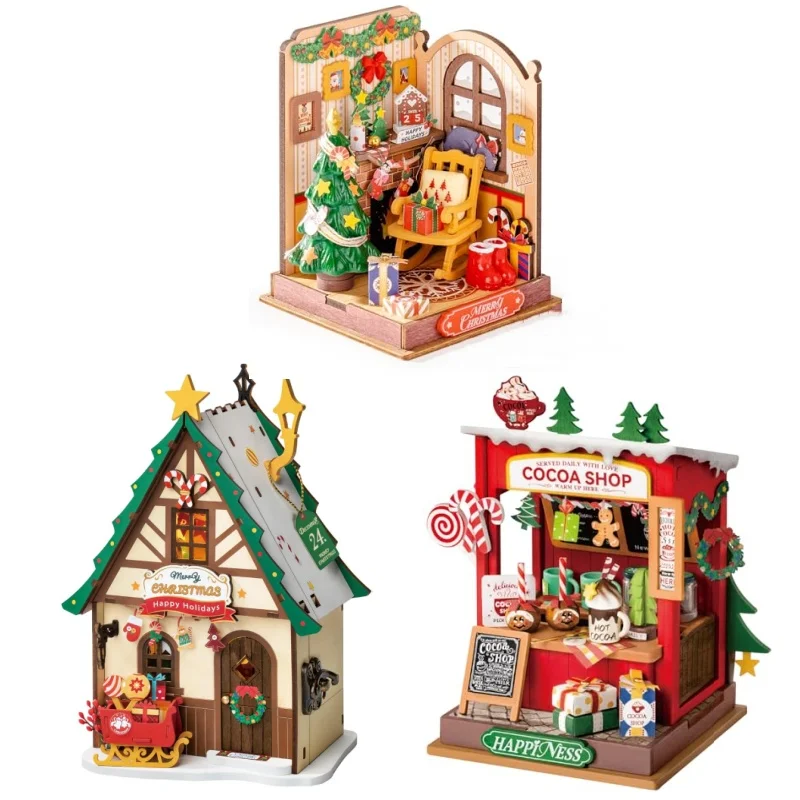
Miniature environments have emerged as a particularly popular subcategory. These kits create tiny worlds complete with furniture, lighting, and intricate details. The attention to scale and realism in premium miniature kits borders on architectural model quality, making them conversation pieces that showcase both the builder's patience and the manufacturer's design expertise.
Mechanical Puzzle Models: Interactive Engineering Marvels
Mechanical models represent the engineering side of puzzle kits, incorporating gears, springs, pendulums, and other moving parts that create functional machines. These kits appeal to builders who want their finished projects to do something beyond looking impressive on a shelf.
The complexity of mechanical models lies not just in assembly but in understanding how the various systems work together. Builders learn about gear ratios, mechanical advantage, and kinetic energy transfer while constructing their models. This educational component makes mechanical kits particularly valuable for STEM learning and engineering appreciation.
Popular mechanical model categories include clocks, music boxes, automata, and kinetic sculptures. Each type offers unique challenges and rewards. Clock mechanisms teach precision timing and escapement principles, while music boxes combine mechanical engineering with musical theory. Automata models create charming animated scenes powered by hand cranks or springs.
Quality mechanical models require precise tolerances in their moving parts. Cheap kits often suffer from binding gears, misaligned shafts, or components that wear out quickly. Premium manufacturers invest in proper bearing surfaces, quality springs, and precisely calibrated gear trains that operate smoothly for years.
Choosing Between Wooden and Mechanical Model Types
The choice between wooden display models and mechanical interactive models depends largely on your personal interests and what you hope to gain from the building experience. Both categories offer unique advantages and appeal to different aspects of the crafting hobby.
Wooden models excel when your primary goal is creating beautiful display pieces. They offer superior aesthetic appeal, with rich wood grains, intricate details, and impressive scale accuracy. The building process emphasizes patience, precision, and attention to detail. Completed wooden models become permanent decorative elements that showcase craftsmanship and dedication.
Mechanical models shine when you want ongoing interaction with your completed project. The satisfaction of watching gears turn, listening to music box melodies, or observing automated movements never gets old. These kits provide educational value about engineering principles and offer the unique reward of creating something that actually functions.
Consider your available workspace and time commitment. Wooden models typically require good lighting and careful organization of small pieces but can be paused and resumed easily. Mechanical models often need more workspace for testing moving parts and may require longer uninterrupted building sessions to maintain momentum on complex assemblies.
Budget considerations also play a role. While both categories span wide price ranges, mechanical models generally cost more due to their precision-engineered moving parts and more complex manufacturing requirements. However, they often provide more hours of entertainment value through ongoing interaction after completion.
Top Puzzle Model Kit Categories and Recommendations
The best puzzle model kits in 2026 span several distinct categories, each offering unique building experiences and finished results. Understanding these categories helps match your interests with the most suitable kit type.
1. Architectural Models lead in popularity for their impressive visual impact and educational value. These kits recreate famous buildings, bridges, and structures with remarkable accuracy. The architecture model kit Japanese temple exemplifies this category's attention to cultural detail and structural authenticity.
2. Miniature Environments create complete tiny worlds within compact spaces. These kits combine multiple elements – buildings, furniture, lighting, and landscaping – into cohesive scenes. The level of detail in premium miniature kits rivals professional dollhouse furniture, making them appealing to collectors and crafters alike.
3. Transportation Models appeal to enthusiasts of ships, trains, aircraft, and automobiles. These kits emphasize mechanical accuracy and historical authenticity. Quality transportation models feature realistic proportions, authentic details, and often include educational information about the original vehicles.
4. Functional Mechanical Models prioritize working mechanisms over pure aesthetics. These include clocks, music boxes, mechanical calculators, and kinetic sculptures. The engineering complexity varies from simple gear trains to sophisticated multi-stage mechanisms that demonstrate advanced mechanical principles.
5. Fantasy and Character Models bring imagination to life through detailed recreations of fictional worlds. These kits often feature unique architectural styles, creative color schemes, and whimsical details that wouldn't exist in realistic models. They appeal particularly to fans of specific franchises or those who enjoy fantasy themes.
Essential Tips for Puzzle Model Kit Success
Success with puzzle model kits depends heavily on preparation, patience, and proper technique. Even experienced builders benefit from following proven strategies that reduce frustration and improve results.
Workspace preparation makes a tremendous difference in building experience. Choose a well-lit area with enough space to spread out pieces and instructions. A cutting mat or large piece of cardboard protects your work surface and provides a consistent background for identifying small parts. Good lighting prevents eye strain during detailed work and helps distinguish similar-colored pieces.
Organization becomes crucial as kit complexity increases. Sort pieces by size, shape, or assembly sequence before beginning. Many builders use small bowls or compartmentalized trays to keep related pieces together. This initial investment of time pays dividends throughout the building process by reducing searching and preventing lost components.
Reading instructions thoroughly before starting prevents costly mistakes. Many kits include warnings about specific steps that require extra care or pieces that look similar but serve different functions. Understanding the overall assembly sequence helps you anticipate upcoming steps and prepare accordingly.
Take breaks when frustration mounts. Complex kits can take dozens of hours to complete, and fatigue leads to mistakes. Fresh eyes often spot solutions that weren't obvious during extended building sessions. Many experienced builders work in 2-3 hour sessions to maintain focus and enjoyment.
Document your progress with photos, especially before major assembly steps. These images prove invaluable if you need to backtrack or reference earlier configurations. They also create a satisfying record of your building journey and can help others who attempt the same kit.
Where to Find Premium Puzzle Model Kits
The puzzle model kit market has expanded dramatically, with options ranging from budget-friendly starter kits to premium collector-grade models. Knowing where to shop and what to look for ensures you get quality kits that provide satisfying building experiences.
Specialized craft retailers typically offer the best selection and expertise. These stores often carry multiple brands and can provide advice about difficulty levels, tool requirements, and compatibility between different kit lines. Staff at dedicated craft stores usually have hands-on experience with the products they sell and can offer valuable insights about specific kits.
Online retailers provide access to international brands and specialized kits that might not be available locally. However, purchasing online requires more research to ensure quality and authenticity. Look for detailed product photos, customer reviews, and clear return policies when buying puzzle kits online.
Quality indicators help distinguish premium kits from inferior alternatives. Laser-cut precision, smooth edges, and consistent wood grain indicate superior manufacturing. Instructions should be professionally printed with clear illustrations and multiple language options. Packaging quality often reflects overall product quality – premium kits typically come in sturdy boxes with organized component storage.
Ready to start your puzzle model kit journey? Explore our carefully curated collection of premium puzzle model kits featuring everything from beginner-friendly wooden puzzles to complex mechanical marvels. Each kit in our selection meets strict quality standards for materials, precision, and instruction clarity, ensuring your building experience is both challenging and rewarding.
Whether you choose the meditative precision of wooden assembly or the engineering excitement of mechanical models, the right puzzle kit offers hours of engaging entertainment and a beautiful finished piece you'll be proud to display. Start with a kit that matches your current skill level, and gradually work up to more complex projects as your confidence and expertise grow.
Shop products from this guide

3D Wooden Marble Run DIY Kit - Mechanical Engineering Puzzle
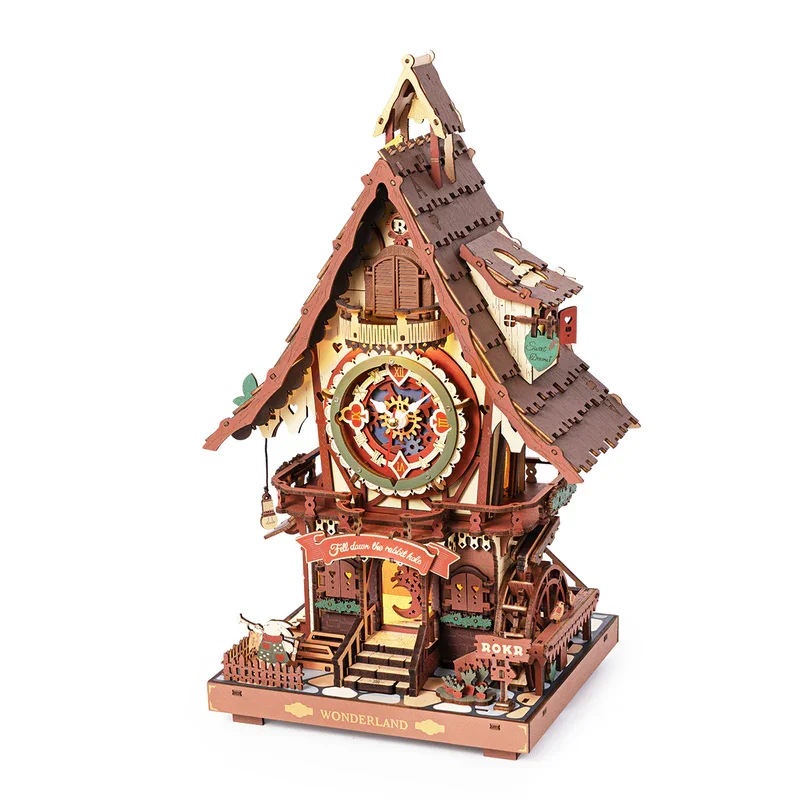
ROKR Wonderland LED Cuckoo Clock Kit - DIY 3D Wooden Puzzle
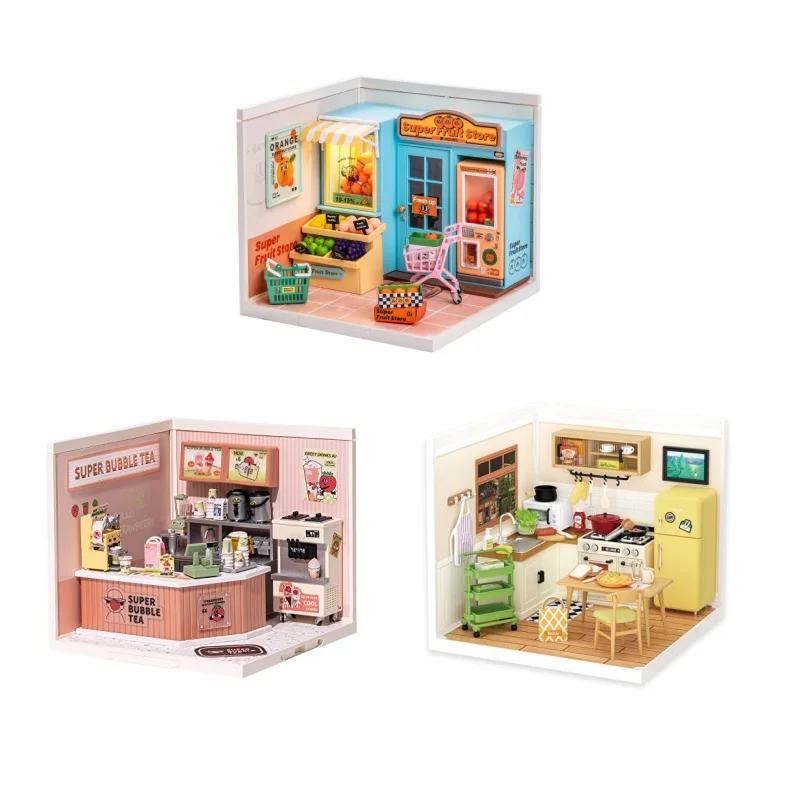
Rolife DIY Miniature Model Supply Store Kit with LED Lights

Rolife Electric Guitar 3D Wooden Puzzle Kit
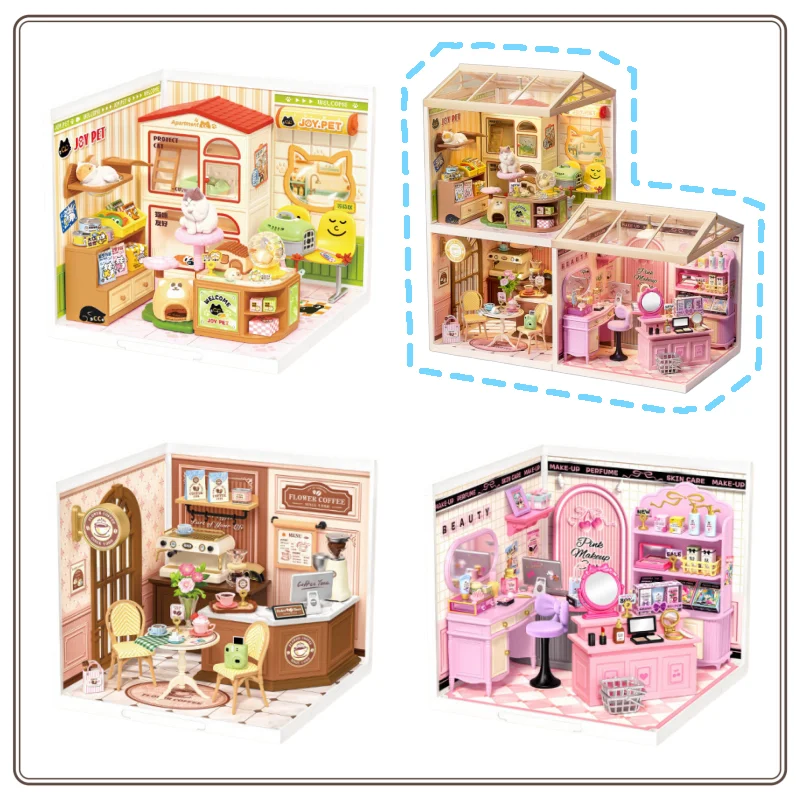
Rolife Super World Shopping Diary — DIY Mini Storefront Kit